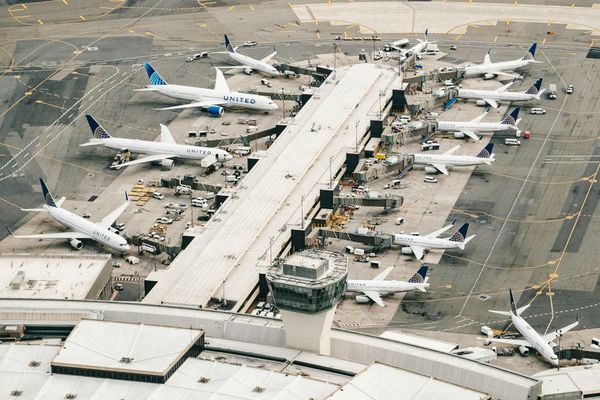
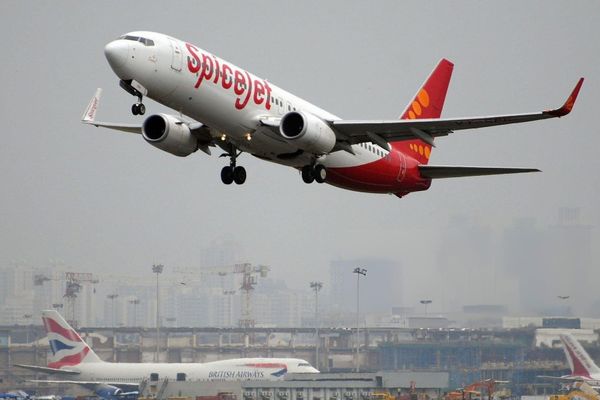
American Airlines rejects United merger approach, calling combination anti-competitive
American Airlines said Friday it is not interested in a merger with United and has held no discussions. The statement goes further, calling the combination anti-competitive and invoking Trump's own antitrust philosophy to close the door.

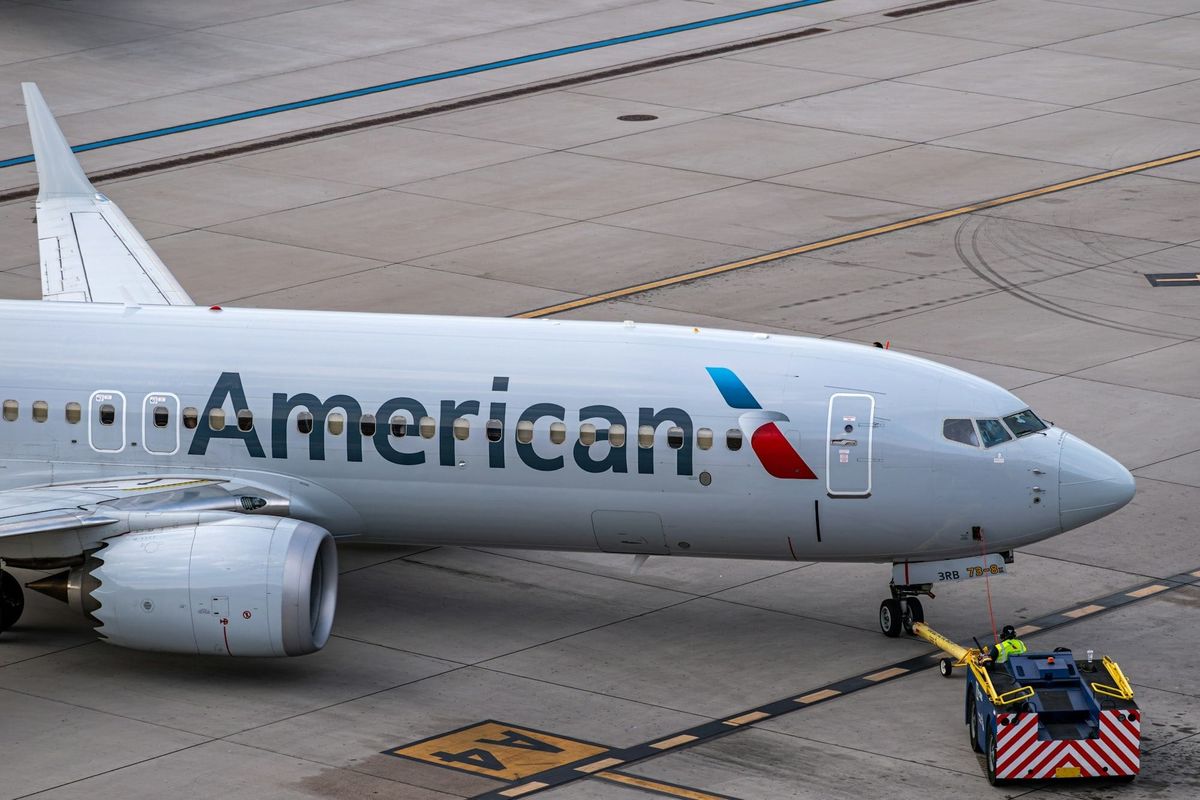
American Airlines closed the door on a merger with United Airlines on Friday, issuing a statement that was notable not only for its refusal but for the language it used to frame one.
American said it was not engaged with or interested in any discussions regarding a merger with United Airlines, adding that a combination would be "negative for competition and for consumers" and inconsistent with its understanding of the Trump administration's approach to antitrust enforcement.
The statement arrived four days after Bloomberg reported that United CEO Scott Kirby had pitched the merger concept directly to President Trump in a meeting in late February — three days before the start of the US-Israeli war with Iran that sent jet fuel prices soaring. United declined to comment on American's statement.
The rejection is pointed. American did not simply say it was not in talks — language that leaves room for future discussions. It said it was not interested. The invocation of the administration's own antitrust philosophy as a reason to reject the deal is a further calculation: White House press secretary Karoline Leavitt said earlier this week that a United-American merger was "not something the president or the White House have an opinion on or are weighing in on at this time." American's statement attempts to pre-empt any shift in that position by arguing the deal would embarrass the administration on consumer prices ahead of November's midterm elections.
One person close to the White House told Reuters there was already scepticism about the tie-up, given its potential impact on competition and ticket prices at a time when the administration is focused on rising costs for consumers.
Kirby's argument to officials in Washington had been that a combined carrier would be a stronger competitor in international markets — particularly against Gulf carriers — and that the deal aligned with the administration's focus on US trade deficits. Including international flights, United and American were already the world's two largest airlines by available capacity in 2025, according to OAG data. A combined entity would have controlled approximately 40 per cent of US domestic capacity.
Whether American's rejection settles the matter is less clear than the statement implies. Kirby has been considering consolidation options since last autumn; the fuel crisis that has reshaped the industry's cost structure since February has not made his strategic logic weaker. American's Q1 2026 results are due on 23 April. United reports on 21 April. The numbers both carriers post against the fuel backdrop will do more than any statement to determine whether this conversation stays closed.