Strait of Hormuz declared open; heating oil futures fall 13%
Iran declared the Strait of Hormuz completely open today. Heating oil futures fell 13 per cent within minutes. The mines are still in the water, the US blockade of Iranian ports remains in force, and Europe's jet fuel stocks will not recover for weeks regardless.

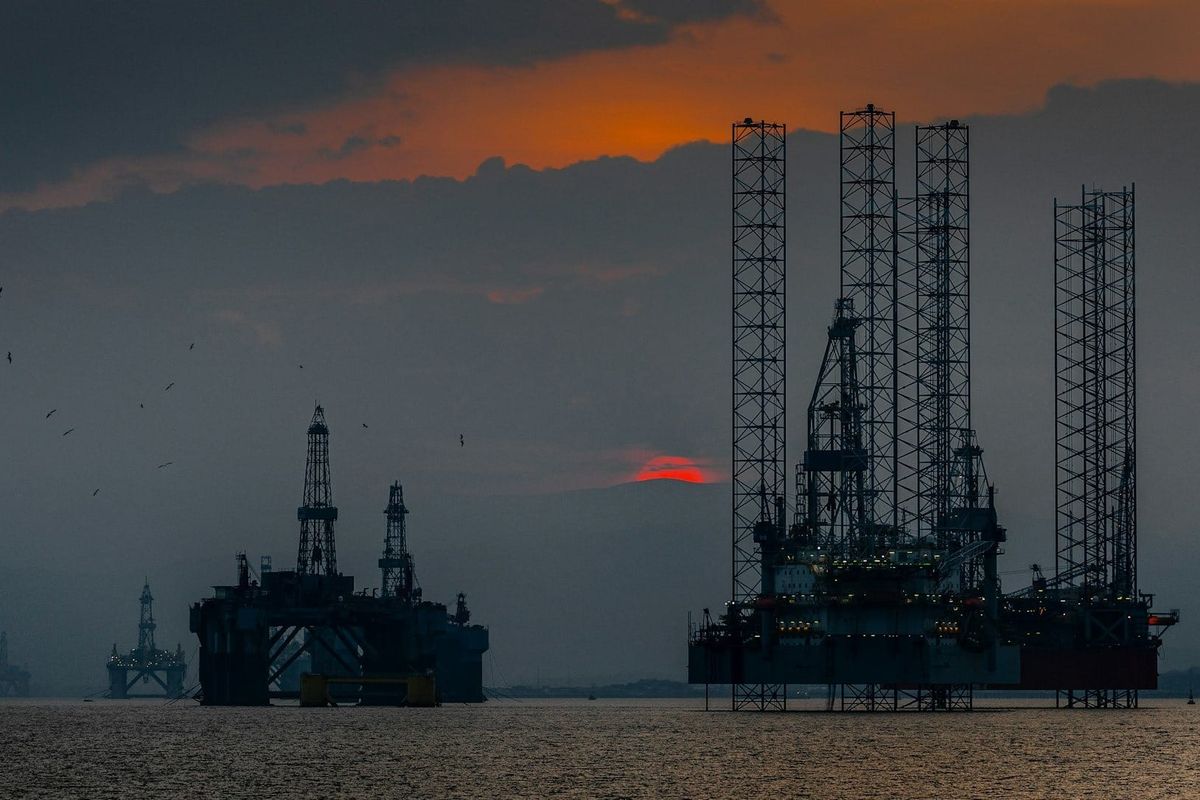
Iran declared the Strait of Hormuz completely open for commercial vessels today, triggering an immediate and sharp market reaction — though the conditions attached to the reopening leave the aviation fuel crisis unresolved for weeks to come.
Iranian Foreign Minister Abbas Araghchi announced this morning that the strait "is declared completely open" for commercial vessels for the remaining period of the ceasefire, following the Israel-Lebanon ceasefire. Ships will be required to use a coordinated route published by Iran's Ports and Maritime Organisation.
Markets responded instantly. US crude oil plunged 10 per cent to approximately $85 per barrel, Brent crude fell more than 8 per cent to around $90, and heating oil futures — the closest proxy for jet fuel — plummeted 13 per cent. The S&P 500 and Nasdaq both opened at record highs.
The relief is real but qualified. Trump welcomed the announcement and thanked Tehran but said the US naval blockade of Iranian ports "will remain in full force" until a full peace deal is reached. The mines Iran laid in the strait — confirmed by Tehran on 9 April — remain in the water. France, Belgium and the Netherlands have stated they have the capacity to conduct mine clearance and provide convoy escorts; a planning meeting is set for London next week following today's 49-country Paris summit chaired by Macron and Starmer.
For aviation, the futures move is meaningful but not curative. IATA warned this morning that flight cancellations in Europe for lack of jet fuel could begin by end of May, and are already occurring in parts of Asia. The supply chain problem — damaged Middle East refinery capacity, Chinese and South Korean export curtailments, and six weeks of depleted inventory — does not resolve the day a declaration is made. Europe received its last confirmed shipment of jet fuel to pass through the strait before the war began; that cargo took six weeks in transit. Replenishment on the same timeline means meaningful relief arriving no earlier than late May at the earliest, assuming tankers begin loading today.


