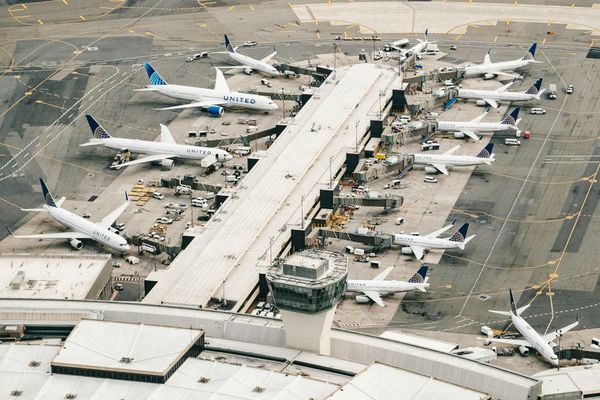
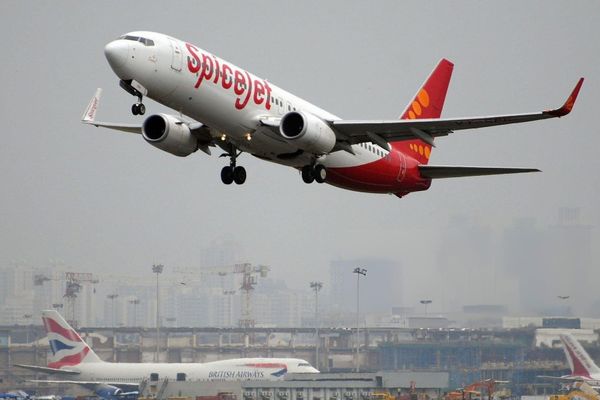
United Airlines CEO Scott Kirby has pitched a merger with American Airlines to the Trump administration
Scott Kirby pitched a United-American merger to Trump in February. A combined carrier would control 30% of US domestic traffic. The antitrust obstacles are substantial.

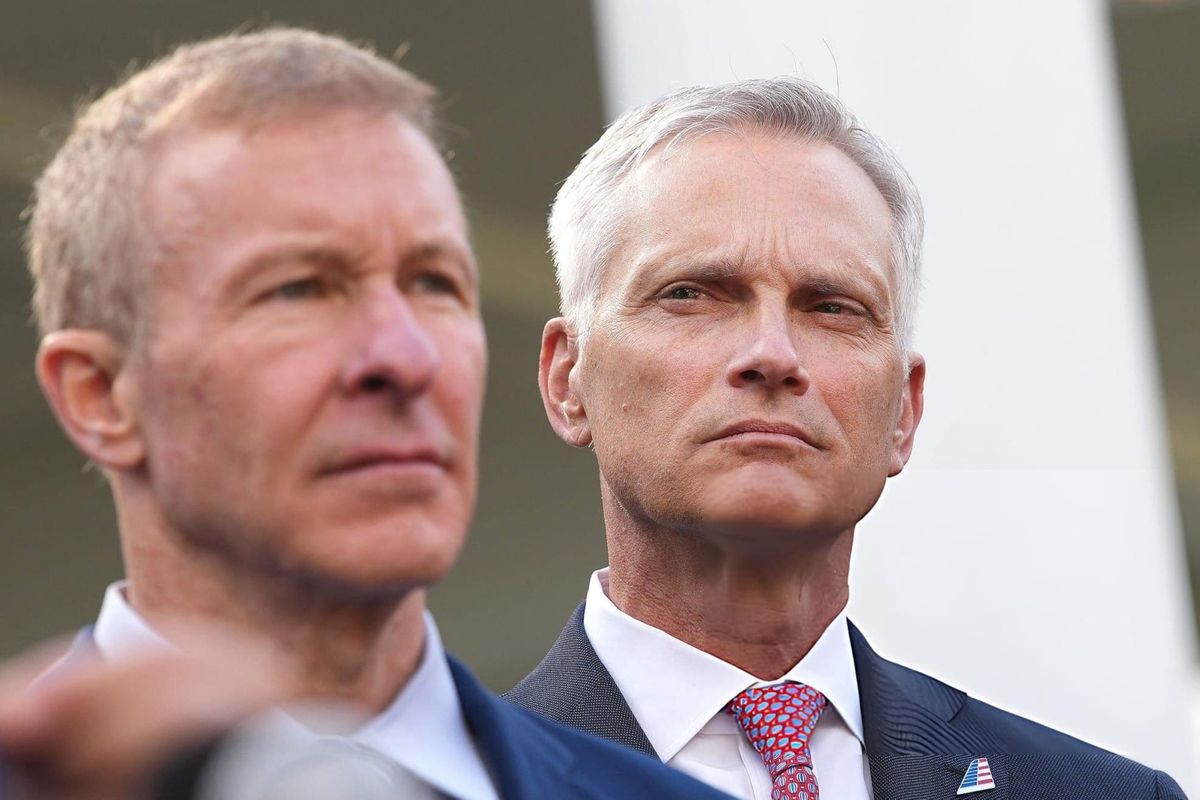
Scott Kirby has pitched a merger between United Airlines and American Airlines to senior government officials, including President Trump at a White House meeting on 25 February, according to people familiar with the conversations reported by Bloomberg on Monday. Neither United nor American commented. The White House did not respond to requests for comment. American shares rose more than 5% in after-hours trading; United added 1.1%.
The financial logic is not difficult to construct. United has a market capitalisation of approximately $31 billion; American's is $7.4 billion. American has lost 27% of its market value since the start of 2026, against United's 15%. American's Q1 2026 guidance points to an adjusted EPS loss of $0.50, against United's profitable trajectory and its Q4 2025 adjusted EPS of $3.10. A combined carrier would control roughly 30% of US domestic traffic and would rank as the largest airline on the planet by fleet, capacity and scheduled revenue passenger miles. Kirby's argument to administration officials, according to Reuters, is that a merged entity would be a stronger competitor against foreign carriers in international markets — noting that two-thirds of long-haul seats to and from the United States are currently operated by non-US airlines.
Kirby served as president of American Airlines from 2013 to 2016 before moving to United, where he became CEO. He knows American's network, its cost structure, its labour agreements and its debt load more intimately than almost anyone outside the company. The pitch was made three days before the US-Israeli war with Iran began on 28 February and sent jet fuel prices to record levels; by March Kirby was telling employees that a prolonged cost shock would create acquisition opportunities for stronger carriers. Whether the merger idea preceded the fuel crisis or was sharpened by it, its emergence into public view now is itself instructive.
The antitrust position is less amenable to narrative construction. United and American together control more than a third of the US domestic market. Their combined positions at Chicago O'Hare — where both operate major hubs — and at Los Angeles would almost certainly trigger required divestitures. To the extent that Newark and JFK are treated as a single New York market, a third overlap materialises. Previous consolidation has produced documented outcomes: the United-Continental merger of 2010 and the American-US Airways deal of 2013 were each followed by fare increases of between 5% and 10% on overlapping routes. Antitrust lawyer Seth Bloom told Reuters the deal would be unlikely to clear regulatory hurdles — noting that the Trump administration has stated it cares about the consumer's cost of living, and this combination would give airlines more pricing power.
Transportation Secretary Sean Duffy signalled openness to consolidation in a 7 April CNBC interview, saying there was room for mergers in aviation; he added that any deal between larger carriers would require asset disposals to prevent excessive market concentration. His comments preceded the Bloomberg report by six days.
No formal process has been confirmed, no valuation disclosed and no timeline announced. What Kirby has done is pitch an idea to the administration and watch the market react — American's after-hours jump tells you something about where the stock was priced before the news. It was trading at $11.23, against a balance sheet carrying negative shareholder equity, a Q1 loss already guided, and a financial strength rating of 3 out of 10.
The fuel crisis has brought consolidation logic back to the surface of the US airline industry in a way it had not been for a decade. Kirby is right that a prolonged cost shock creates a shakeout; whether the answer to that shakeout is a merger with a carrier carrying $38 billion in total debt is a separate question from whether consolidation is possible in principle. The market answered yes on Monday evening. The regulators will answer the second question, and their answer is likely to be more considered.