Norse Atlantic hires JPMorgan for sale as losses deepen
Norse Atlantic has hired JPMorgan for a sale process that could value it at $1.3bn including debt, as Q1 net losses deepened 60 per cent and passenger numbers fell 25 per cent in April amid fuel costs and route cuts.

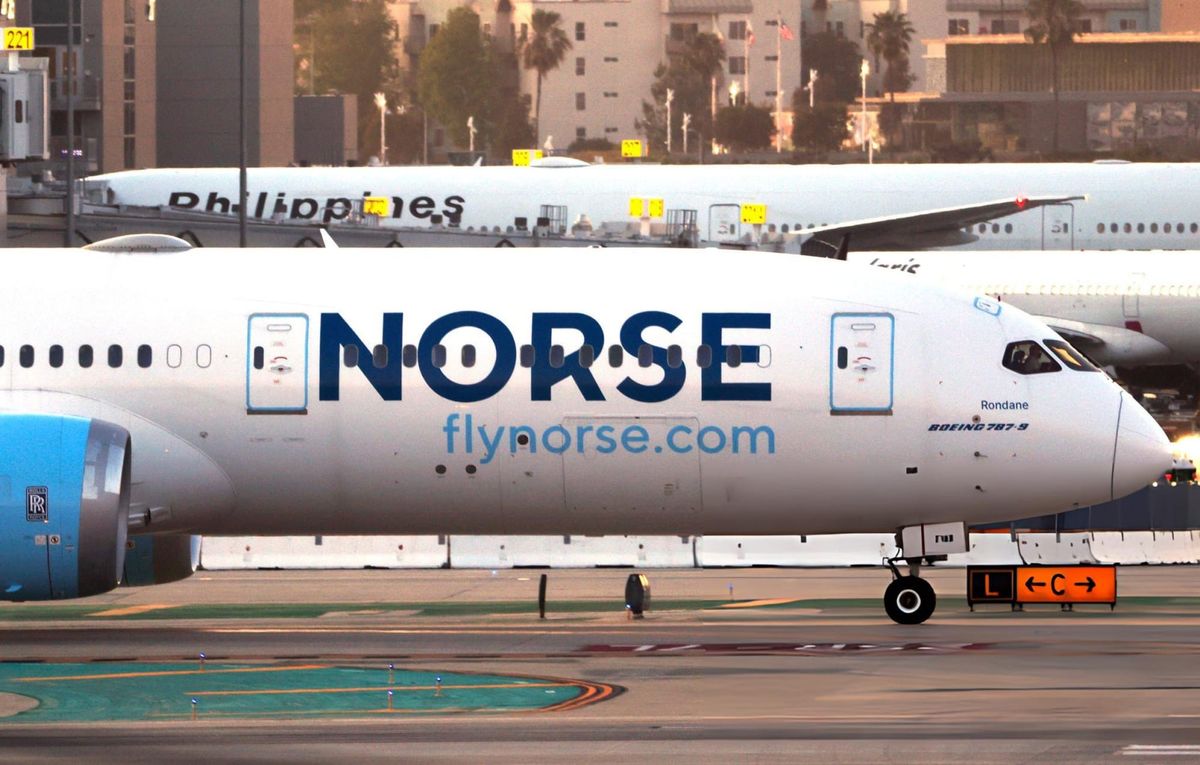
Norse Atlantic has retained JPMorgan Chase to run a sale process expected to begin within months, as the Norwegian long-haul budget carrier struggles with dwindling cash reserves, a net loss that deepened more than 60 per cent in the first quarter of 2026, and fuel costs that have eroded the narrow margins underpinning its scheduled transatlantic services.
A deal could value the carrier at approximately $1.3bn (1.1bn euros) including debt, according to people familiar with the matter cited by Bloomberg, though the airline has not confirmed or denied the sale process publicly. Norse Atlantic is listed on Norway's Euronext Expand Exchange and its shares have lost more than 40 per cent of their value since January.
The first quarter results show revenues up 28 per cent to $160mn as passenger income and wet-lease operations both grew strongly. The underlying picture is materially worse than the headline suggests: the prior year quarter included approximately $29mn in non-recurring lease gains, meaning underlying revenue growth was approximately 66 per cent on a comparable basis but the net loss still deepened by more than 60 per cent as fuel costs overwhelmed the top-line improvement.
Norse operates a dual-activity model, with approximately half its 787 fleet deployed on Aircraft, Crew, Maintenance and Insurance (ACMI) charter contracts and the remainder on scheduled passenger services. The ACMI contracts shift fuel costs to clients, providing partial insulation from the price spike, but the scheduled passenger business has no such buffer and carries the full weight of jet fuel at current spot prices.
Passenger numbers fell 25 per cent year on year in April to 116,000, which the airline attributed to the Middle East conflict, with Los Angeles removed from the summer 2026 schedule and the Gatwick-Los Angeles service cancelled in full. Unit revenue per available seat kilometre rose 32 per cent in the same month, a signal that yield management is functioning even as volumes contract.
In mid-April, Norse announced a fully underwritten $110mn rights issue, a $70mn bridge loan and a formal strategic review exploring potential mergers, acquisitions and other structural options, framed as short-term liquidity stabilisation while the review ran in parallel. The JPMorgan mandate, reported five weeks later, is the first signal that the strategic review has moved from exploratory to active sale preparation.
Project Falcon, the airline's cost reduction programme accelerated twice since its initial announcement, targets $50mn in annualised savings against 2025 costs, with measures including the elimination of approximately 75 administrative positions, crew furloughs and temporary pay cuts for non-flying staff. The head office is being relocated from Arendal to Oslo, with the Arendal office closing, as part of a broader simplification of base structure and crew agreements.
Chief executive Eivind Roald said the geopolitical tension had affected both jet fuel prices and traffic flows, requiring the acceleration of Project Falcon "to strengthen our financial resilience and pave the way towards profitability." The carrier has retained faith in its dual-activity model, arguing that ACMI contract growth represents a structural hedge against the volatility of scheduled long-haul flying. Whether that model can be sustained through a sale process without further liquidity deterioration is the central question facing potential acquirers.
What to watch: the formal launch of the JPMorgan-led sale process in the coming months, and whether the $110mn rights issue closes as planned. Any failure to close the rights issue would materially compress the runway available before a forced transaction or operational wind-down.