Norwegian cuts first-quarter operating loss by two-thirds and beats analyst consensus
Norwegian narrowed its first-quarter operating loss from NOK 611 million to NOK 220 million as hedging gains cut the fuel bill by nearly a quarter and SAS's retreat filled its cabins. Load factor hit a record for any first quarter. The summer will determine whether the gains are durable.

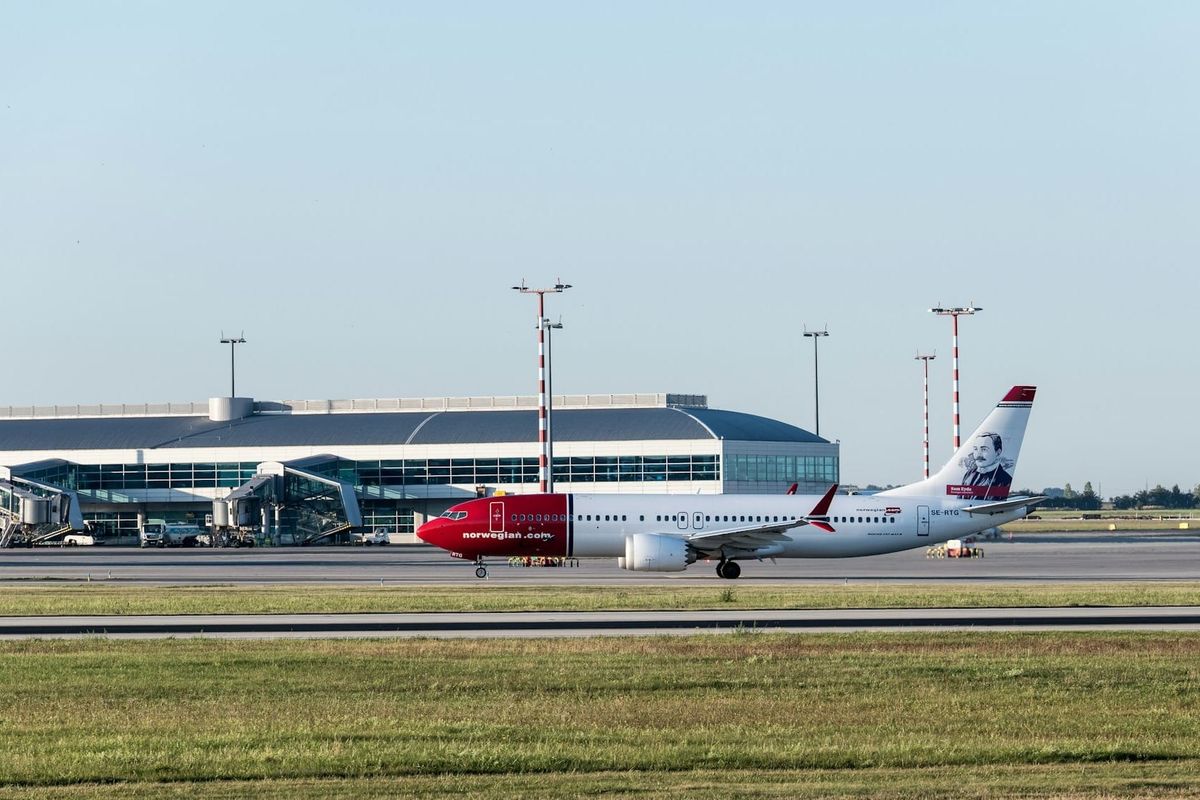
Norwegian entered 2026 having made a decision its Scandinavian competitors did not: it hedged nearly half of its fuel requirements for the year. When jet fuel doubled in the weeks following the outbreak of the Iran war in late February, that decision did not merely save money. It separated Norwegian from the carriers around it with a clarity that a quarter's results rarely produce.
The numbers tell a straightforward story. The operating loss for the first three months of the year narrowed from NOK 611 million to NOK 220 million. Revenue rose. The fuel bill fell by nearly a quarter despite elevated spot prices, because the hedge positions absorbed the shock that SAS, which entered 2026 with no fuel cover at all, could not. SAS cancelled more than 1,200 flights in the same period. Norwegian filled a record proportion of its seats.
That last detail matters more than it might appear. The first quarter is structurally the weakest period in Nordic aviation; demand is at its lowest, leisure routes are quiet, and the post-Christmas hangover runs through February. The fact that Norwegian filled 87.6 per cent of its available seats in that environment — the highest load factor in any first quarter in the airline's history — reflects something more than seasonal luck. It reflects passengers who would previously have flown SAS finding Norwegian instead, and a capacity reduction that left fewer empty seats to fill.
The cost story underneath the headline
Norwegian is a restructured airline still working through the consequences of its 2020 bankruptcy. Underlying costs excluding fuel rose by approximately 2 per cent year-on-year once a one-off accounting gain that flattered last year's figure is removed. For a carrier still rebuilding its cost base, still absorbing the integration of Widerøe, and still flying a transitional fleet mix of older 737-800s and newer MAX 8s, that is a disciplined outcome.
The efficiency programme Norwegian calls Program X is the mechanism behind it. The airline has committed to delivering more than NOK 1.25 billion in annual recurring profit improvements by the end of this year through a series of initiatives covering distribution, fuel procedures and fleet optimisation. The quarterly disclosures do not break that number down by initiative, but the direction is visible in the cost line: Norwegian is spending less per seat than it did a year ago on most of the things it can control.
What the balance sheet reveals
The most striking number in the results is not in the income statement. Norwegian's equity, the cushion between its assets and its debts, grew by NOK 1.4 billion during a quarter in which it reported a loss. The mechanism is the hedge book. As spot fuel prices rise above the rates Norwegian locked in, the contracts that guarantee those lower prices become more valuable, and that value flows directly onto the balance sheet. Norwegian is simultaneously paying less for fuel than its unhedged competitors and accumulating equity from the same contracts. The two effects compound in the carrier's favour for as long as spot prices remain elevated.
Net debt fell sharply in the quarter, and total liquidity reached NOK 14.2 billion at quarter end — a cash position that gives Norwegian the financial runway to absorb a prolonged fuel crisis without the operational triage that SAS has been forced into.
Widerøe: the acquisition that is working
Norwegian acquired Widerøe, Scandinavia's largest regional carrier, in 2024. In Q1 2026, Widerøe swung from a small operating loss to a modest profit and delivered its best punctuality performance in years. That matters for Norwegian Group's overall proposition because Widerøe feeds passengers into Norwegian's main network through complementary routes — short-haul turboprop services into rural Norwegian airports connecting to Norwegian's jet network at the major hubs. An acquisition that looked opportunistic when announced is beginning to deliver the network synergies that justified it.
What the summer will determine
Norwegian has guided capacity growth of 5 per cent in the second quarter and approximately 3 per cent for the full year, entering the peak summer season with its full fleet of 95 aircraft confirmed and forward bookings described as robust. Leisure destinations in southern and south-western Europe are particularly popular, which is where Norwegian's network is strongest.
The carrier has 45 per cent of its fuel hedged for 2026. The remaining 55 per cent will be purchased at whatever the market charges. If the Strait of Hormuz remains closed through the summer, that unhedged portion becomes expensive. If a diplomatic resolution brings prices down, the hedge becomes a modest constraint rather than a structural advantage. Norwegian is positioned for a sustained disruption, not an indefinite one.
The Q1 results demonstrate that the restructuring has produced a carrier capable of navigating a fuel shock without the crisis management that has consumed its principal competitor. Whether the summer extends that verdict or qualifies it depends almost entirely on a diplomatic process playing out 6,000 kilometres from Oslo.