Norse Atlantic filled 94% of its seats and lost $94.6mn
Norse Atlantic reported Q2 revenue of $132mn and negative EBITDA of $8.4mn despite a 97% load factor and record unit revenue. The first-half net loss widened to $94.6mn. A strategic review has attracted strong interest from potential buyers.

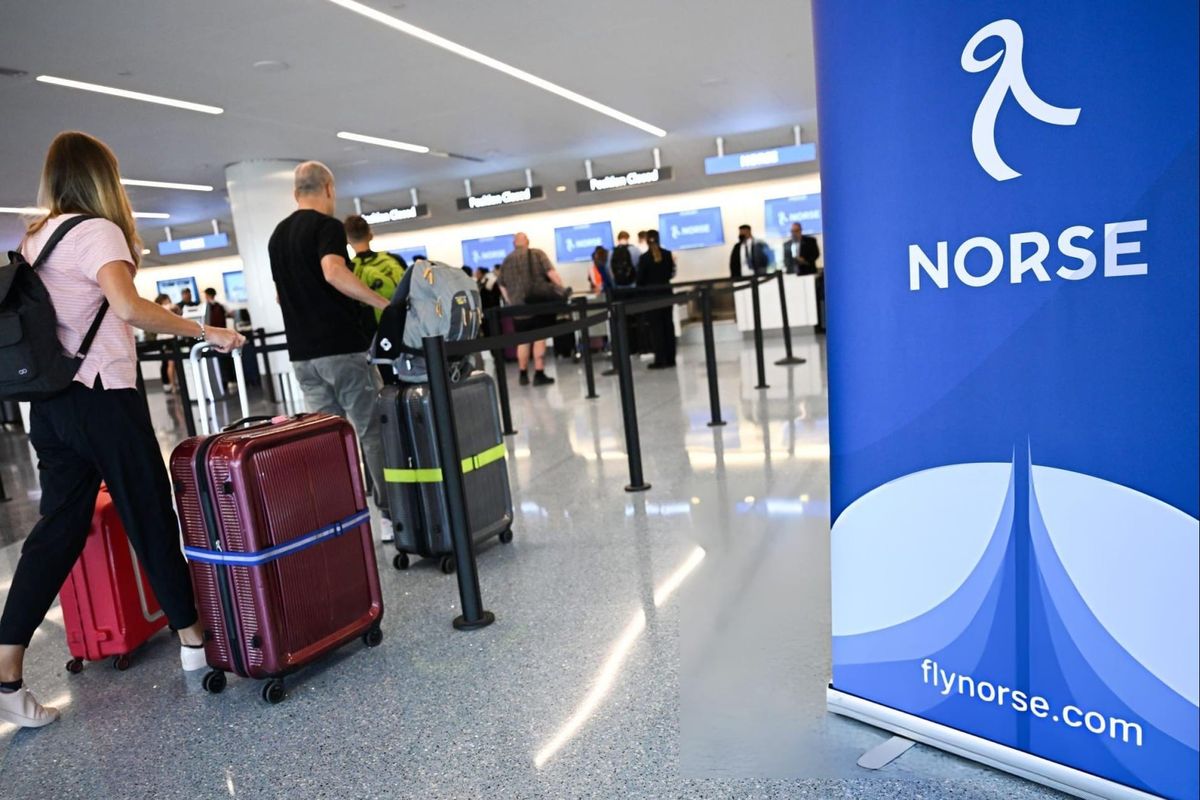
Norse Atlantic Airways reported second-quarter revenue of $132mn and a negative EBITDA of $8.4mn on 20 August 2026, confirming that the carrier's strategic review has attracted strong interest from potential buyers as mounting fuel costs and a sharply reduced network drive the widebody low-cost model toward its financial limit.
The result inverts the commercial logic that underpins most airline analysis. Load factor held at 97 per cent, average revenue per passenger rose 20.2 per cent year-on-year to $447, and total revenue per available seat kilometre (TRASK) increased 24 per cent year-on-year, all records for the carrier. But those metrics were achieved by cutting the network so deeply that revenue fell to $132mn from $202.6mn in the same period a year earlier; the fixed cost base, spread across fewer flights, produced the loss. The first-half net loss widened from $20.8mn to $94.6mn.
Chief executive Eivind Roald said the carrier had "reduced capacity where the economics did not work and delivered record unit revenues in our own network," adding that the sharp reduction in production, fixed cost base and higher fuel prices had impacted profitability. Norse is operating four aircraft on its own scheduled network, with additional jets on ACMI and charter operations including FIFA World Cup flights; July TRASK reached 7.1 US cents per available seat kilometre, up 27 per cent year-on-year, on a 98.5 per cent load factor.
The carrier confirmed during the results presentation that its strategic review has attracted strong interest, with a sale, merger or partnership now firmly on the table. Network capacity is planned to increase from four aircraft in Q2 2026 to seven aircraft by Q2 2027, depending on market conditions, with an expanded Europe-Thailand winter programme and additional Europe-New York and Orlando services.
Norse operates a fleet of Boeing 787-9 Dreamliners primarily on transatlantic routes, holds no meaningful fuel hedging and earns no premium cabin or cargo revenue at the scale of the legacy carriers it competes against; cargo revenue per flight rose 32 per cent year-on-year to $7,400 but remains insufficient to offset the fuel cost structure of a 787-9 at low-cost fares. The strategic review is the clearest signal yet that Norse's management and shareholders have concluded the model requires either a structural partner or an exit.