India places SpiceJet under scrutiny as cash pressures mount
India placed SpiceJet under formal financial scrutiny on 22 September 2026 as prolonged cash flow pressures and rising fuel costs threaten operations. Civil Aviation Minister Ram Mohan Naidu confirmed the government is monitoring the carrier through the DGCA.

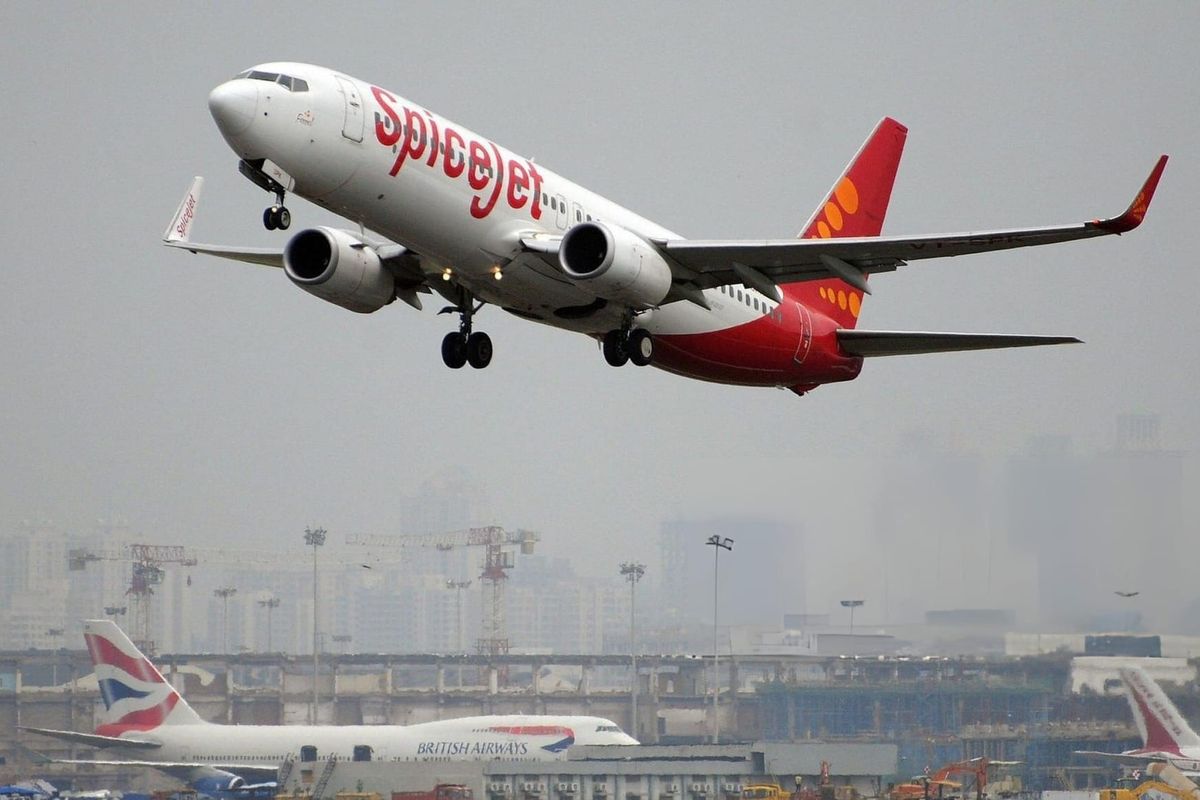
India's aviation ministry has placed SpiceJet under heightened operational and financial scrutiny as the carrier grapples with prolonged cash flow pressures, rising fuel costs driven by the Iran conflict and ongoing disruption to its Middle East network. Civil Aviation Minister Ram Mohan Naidu confirmed on 22 September 2026 that the government was closely monitoring the airline through the Directorate General of Civil Aviation to ensure its financial difficulties do not affect flight operations or passenger safety.
SpiceJet has been in financial difficulty since 2022, when a combination of rising fuel costs, deferred maintenance payments and unpaid dues to aircraft lessors triggered a series of groundings that reduced the carrier's operational fleet from more than 90 aircraft to below 30 at its lowest point. A court-approved equity infusion in 2024 from promoter Ajay Singh provided temporary relief and allowed the carrier to increase capacity; the government's renewed scrutiny this week indicates that the breathing room provided by that recapitalisation has proved insufficient against the sustained fuel cost pressure of 2026.
India is the world's fastest-growing major aviation market, and SpiceJet's difficulties create a direct tension with the government's objective of supporting domestic airline expansion; the carrier holds valuable slots at major Indian airports whose continued instability risks disrupting routes that IndiGo, Air India and newer entrants cannot immediately absorb. The Ministry of Civil Aviation's decision to place the airline under formal monitoring reflects its preference for managed resolution over disorderly failure, consistent with its handling of previous distress situations including Jet Airways and Go First.
SpiceJet's financial position is complicated by its fleet composition: the carrier operates Boeing 737 MAX aircraft alongside older Boeing 737-800s, and unlike airBaltic, whose all-A220 structure made it uniquely dependent on a single engine supplier, SpiceJet's difficulties are primarily balance sheet in origin rather than supply chain. The question the government monitoring is designed to answer is whether the airline has sufficient liquidity to sustain operations through the current fuel cycle without triggering further groundings.