More than 40 airlines are queuing for Heathrow slots
Heathrow handled 7.8mn passengers in August 2026, down 2.1%, while more than 40 airlines seek slots the airport cannot provide. Middle East traffic fell 19.8%. The 40-airline queue is the highest ever disclosed and is being used to argue for third runway expansion.


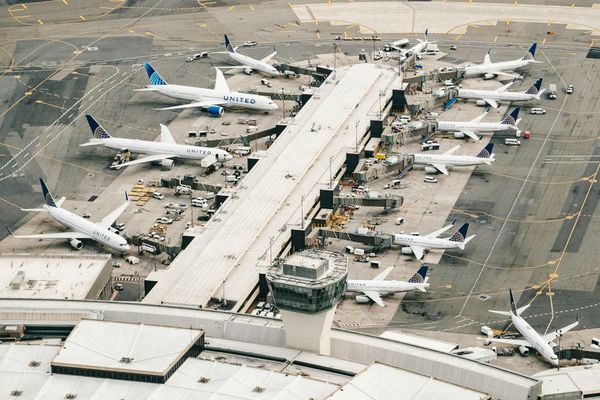
Heathrow Airport handled 7.8 million passengers in August 2026, a 2.1 per cent decline from the same month a year earlier, as the Middle East traffic disruption that has suppressed demand across European aviation continued to weigh on volumes; the airport's annual passenger total for the 12 months to August 2026 reached 84.26 million, up 0.3 per cent. The figures were published by Heathrow on 11 September alongside a disclosure that more than 40 incumbent and prospective airlines are currently seeking slots at the airport, with three-quarters of their proposed new routes providing long-haul connections that Heathrow's current two-runway infrastructure cannot accommodate.
Heathrow CEO Thomas Woldbye said: "The longest queue at Heathrow is now the one made up of over 40 airlines that want to better connect the UK but can't secure a slot because our runways are full." The 40-airline figure is the highest Heathrow has disclosed and is being used explicitly to strengthen the airport's case for its third runway expansion project, which is projected to support 108,000 jobs and increase the UK's trading capacity by 50 per cent. Xiamen Airlines became Heathrow's newest carrier in September, adding a Shenzhen direct service to the airport's network.
The August traffic figures reflect several distinct demand trends: Middle East passenger volumes fell 19.8 per cent year-on-year as Iran conflict disruption suppressed connecting traffic through Gulf hubs, while Asia-Pacific traffic rose 1.2 per cent and cargo throughput increased 3.1 per cent to 137,115 metric tonnes. Across the June-August peak summer period, Heathrow handled 23 million passengers, with 2 August as its busiest ever day at nearly 272,000 passengers.
The slot constraint story is the one with genuine financial implications: Heathrow operates at close to its maximum declared capacity, with air transport movements falling 1.3 per cent in August to 41,048, and the constraint is not demand but physical runway capacity. The airport's consultation on the Heathrow Expansion National Policy Statement has closed, with Heathrow preparing to present evidence to Parliament's Transport Select Committee; the practical timeline for a third runway to be operational remains a decade away at minimum.
The 40-airline queue has direct implications for route competition and airfare levels: airlines that cannot secure Heathrow slots are forced to use Gatwick, Stansted or regional airports, or abandon UK market entry plans entirely, resulting in less competition and structurally higher fares on affected routes. That dynamic is particularly acute on long-haul routes, where three-quarters of the 40-airline demand is concentrated and where Heathrow's slot premium is highest relative to alternative airports.