Indian carriers warn of shutdown as fuel bill doubles
India's three largest airlines warned the government on April 26 that they are on the verge of halting operations, as fuel costs hit 55–60 per cent of operating expenses following a 295 per cent rise in jet fuel prices since the Iran conflict began.

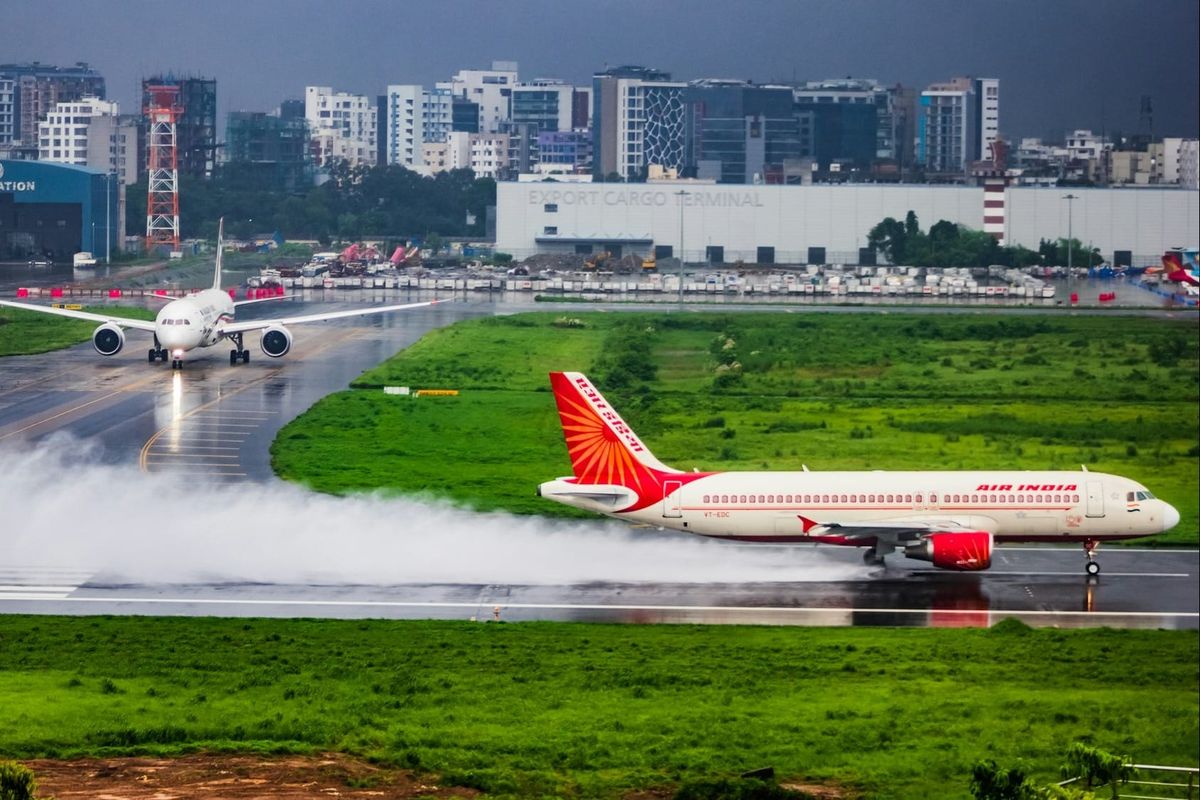
India's three largest airlines have told the government they are on the verge of halting operations — the starkest admission yet that the global jet fuel crisis is fracturing aviation markets well beyond Europe.
In a letter dated April 26 to the Ministry of Civil Aviation, the Federation of Indian Airlines (FIA), representing Air India, IndiGo and SpiceJet, which together hold over 90 per cent of the domestic market, described the sector as being under "extreme stress." The trigger is a near-tripling of jet fuel costs since the Iran conflict began. Brent crude has risen from $72 to $118 per barrel since the conflict escalated, pushing prices from $87 per barrel to a peak of $260, a 295 per cent increase, before settling at around $235.
Fuel that once accounted for 30–40 per cent of an Indian airline's operating costs has surged to between 55 and 60 per cent, making wide swaths of the network unprofitable.
The government's response has widened the problem rather than resolved it. It capped the domestic jet fuel price increase at approximately $0.16 per litre. For international routes, the price rose by around $0.77 per litre, which the FIA says makes overseas operations completely unviable. Carriers that rely on international routes to underwrite thin domestic margins are now losing money across the entire network.
India's tax structure compounds the pressure. Jet fuel carries an 11 per cent excise duty and state-level VAT that varies sharply by airport. The FIA is asking for an immediate suspension of excise duty and VAT reductions — not a cash bailout, but a demand to stop making a structural crisis worse.
The airspace problem adds another layer. Indian carriers are already barred from Pakistani airspace, extending detour times on northbound routes. The West Asia conflict has forced further diversions around Iranian airspace, directly increasing fuel burn per sector. With the rupee at its lowest level against the dollar in 2026, jet fuel is priced in dollars; every litre costs more in local currency than the headline figure suggests.
The government has already cut landing and parking charges at major airports by 25 per cent for three months, a measure that addresses a fraction of the cost problem.