Heathrow records busiest March ever as Middle East traffic halves
Heathrow handled 6.65 million passengers in March — its busiest ever — as Middle East traffic fell 51% and transfer passengers spiked 10%. The data published this morning shows demand redistributing sharply across the long-haul network as the Iran conflict reshapes global aviation flows.

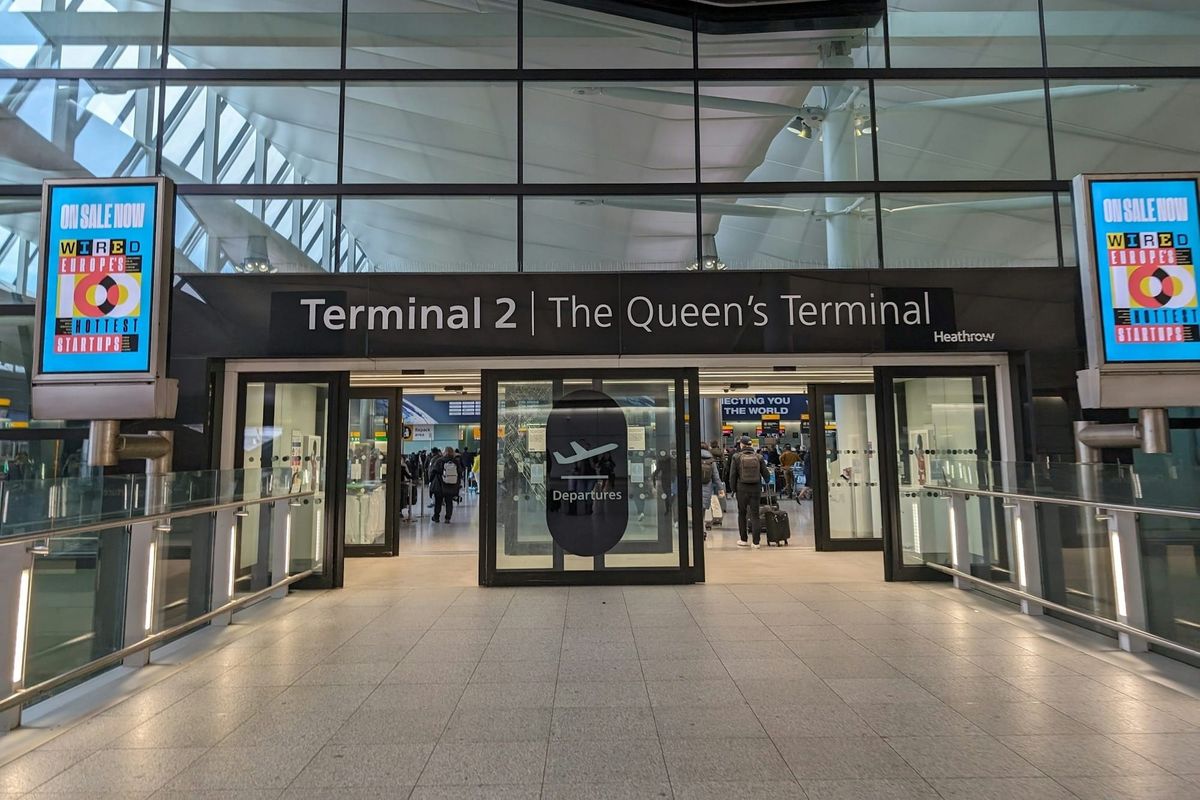
London Heathrow handled 6.65 million passengers in March 2026, a 6.9% increase year on year and the busiest March in the airport's 80-year history — despite Middle East passenger numbers collapsing 51% to 294,000 as the Iran conflict shuttered Gulf airspace.
The data, published by Heathrow this morning, shows demand redistributing sharply across the long-haul network. Asia-Pacific traffic grew 31% to 1.12 million passengers; Africa rose 23%; EU and non-EU European routes grew 11.6% and 11.5% respectively. Transfer passengers — travellers using Heathrow as a connecting hub rather than a final destination — spiked 10%, the clearest sign that passengers are rerouting away from disrupted Gulf hubs in Dubai, Abu Dhabi and Doha.
Middle East cargo volumes fell 54% in the month; air transport movements to the region dropped 47%.
For the first quarter as a whole, Heathrow handled 18.9 million passengers, up 3.7% year on year. Middle East traffic for the quarter was down 12.7% — a smaller decline than March's figure alone reflects, given that the conflict only began on 28 February.
Heathrow Airport — March 2026
Passenger demand by market segment
Year-on-year change (%)
Total passengers
6.65m
+6.9% YoY
Transfer passengers
+10%
Rerouting spike
Middle East cargo
-54%
YoY decline
Source: Heathrow Airport press release, 13 April 2026 Airliner Insider
CEO Thomas Woldbye said the airport was adapting to shifting travel trends during the crisis, adding that the outlook for coming months "remains uncertain." Heathrow noted that its capacity constraints — the airport is operating at 99% of permitted movements — are limiting its ability to absorb further rerouted demand relative to European competitors with available runway capacity.
The numbers present a direct challenge to carriers whose business models depend on Gulf connectivity. Emirates, Etihad and Qatar Airways together account for a substantial share of Heathrow's long-haul transfer traffic; with Qatar Airways currently operating at roughly 50% of its pre-war schedule, that transfer volume has migrated elsewhere. Where it goes next depends on whether Trump's naval blockade of the Strait of Hormuz, declared overnight, accelerates or resolves the crisis.