EasyJet Q3 profit falls 70% as fuel costs rise £105mn
EasyJet reported Q3 headline profit before tax of £85mn, down 70% year-on-year, as fuel costs rose £105mn. Holidays contributed £84mn of the total, ancillary revenue per seat rose 14% and cash stood at £3.6bn.

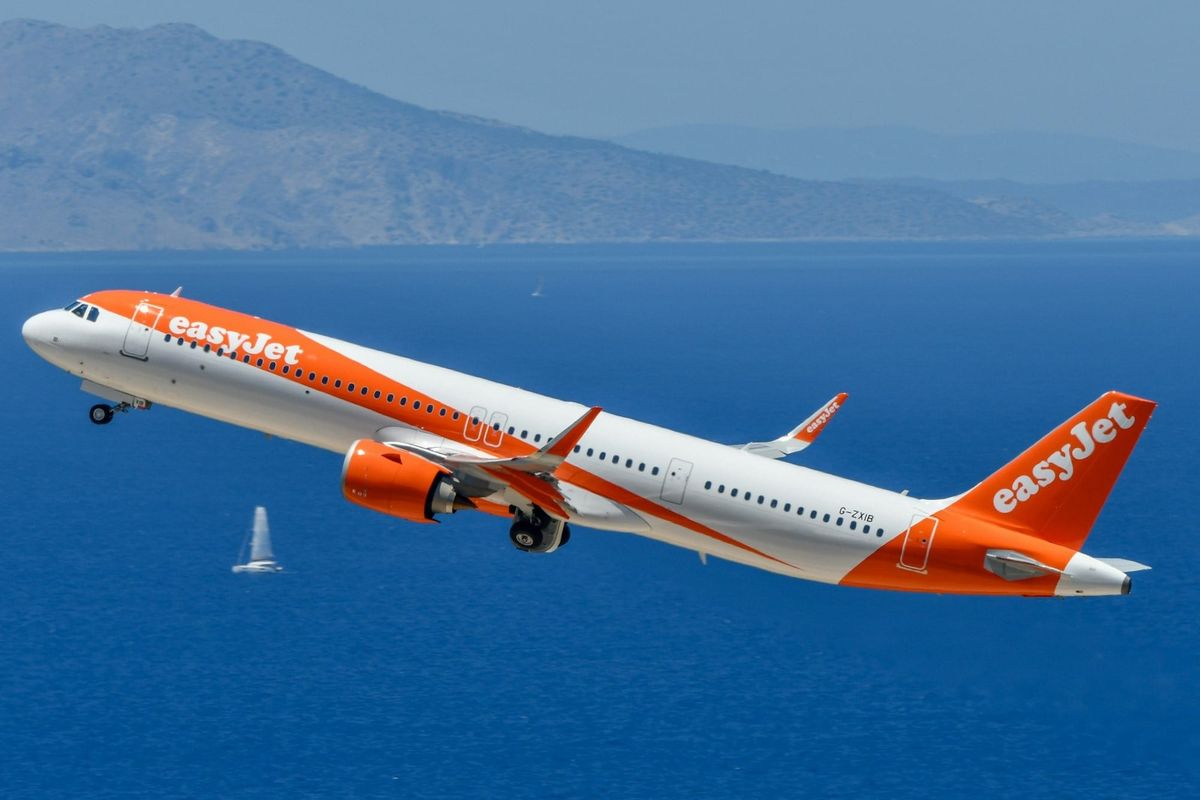
EasyJet reported headline profit before tax of £85mn for the third quarter ended 30 June 2026, a 70 per cent decline from £286mn in the same period a year earlier, as a £105mn increase in fuel costs driven by the Iran conflict pushed the airline's earnings sharply lower despite revenue growth and improved operational performance.
Group revenue rose 2 per cent year-on-year to £2,983mn in Q3 2026, while fuel costs increased 17 per cent to £732mn and headline EBIT dropped 65 per cent to £104mn. Non-fuel cost per ASK rose 3 per cent, in line with guidance; fuel prices peaked at approximately $1,800 per metric tonne in April. EasyJet was 72 per cent hedged at $726 per metric tonne for H2 FY26, meaning the 28 per cent unhedged portion bore the full weight of the spike above that rate.
EasyJet holidays contributed £84mn in headline profit before tax in the quarter, with customer numbers growing 8 per cent year-on-year; its contribution represents approximately 99 per cent of total group headline profit before tax. That ratio illustrates how central the integrated package travel model has become to easyJet's earnings resilience in a high fuel cost environment.
On-time performance reached 78 per cent year-to-date, up 2 percentage points year-on-year, and airline customer satisfaction reached 84 per cent, up 3 percentage points year-on-year. Ancillary revenue per seat rose 14 per cent year-on-year, reflecting stronger monetisation of bags, seat selection and other non-ticket revenue streams. Load factor was 88.9 per cent, 1 percentage point below the prior year and an improvement from the 2 percentage point gap reported at the half-year results in May.
EasyJet said late booking demand was strong throughout the quarter, with demand remaining resilient among passengers booking in the month of departure. For the full year, easyJet expects capacity growth of approximately 6 per cent and is focused on strategic initiatives to achieve a medium-term profit target of over £1bn as conditions normalise. The airline said it was 68 per cent sold for the fourth quarter, with booked Q4 ticket yield currently flat year-on-year. Cash and cash investments stood at £3.6bn at the quarter end, with a net cash position of £661mn.
The results are the last to be published before the scheme document circulates to shareholders: easyJet's board unanimously recommended Apollo Global Management's £7.15 per share firm offer on 6 August, valuing the airline at £5.7bn, with completion targeted by end of March 2027. The Q3 results make clear the commercial backdrop against which Apollo structured its offer: a carrier generating meaningful profits in its peak summer quarter but absorbing significant unhedged fuel exposure on 28 per cent of its consumption in a period when jet fuel was at its most elevated since the 2008 spike.