easyJet expects £560m loss as Middle East volatility erodes margin
easyJet expects an H1 loss of up to £560 million as Middle East volatility and legal hits offset record 90% load factors. Although revenue per seat rose 3%, a £25 million fuel spike has eroded margins. Detailed results are due May 21.

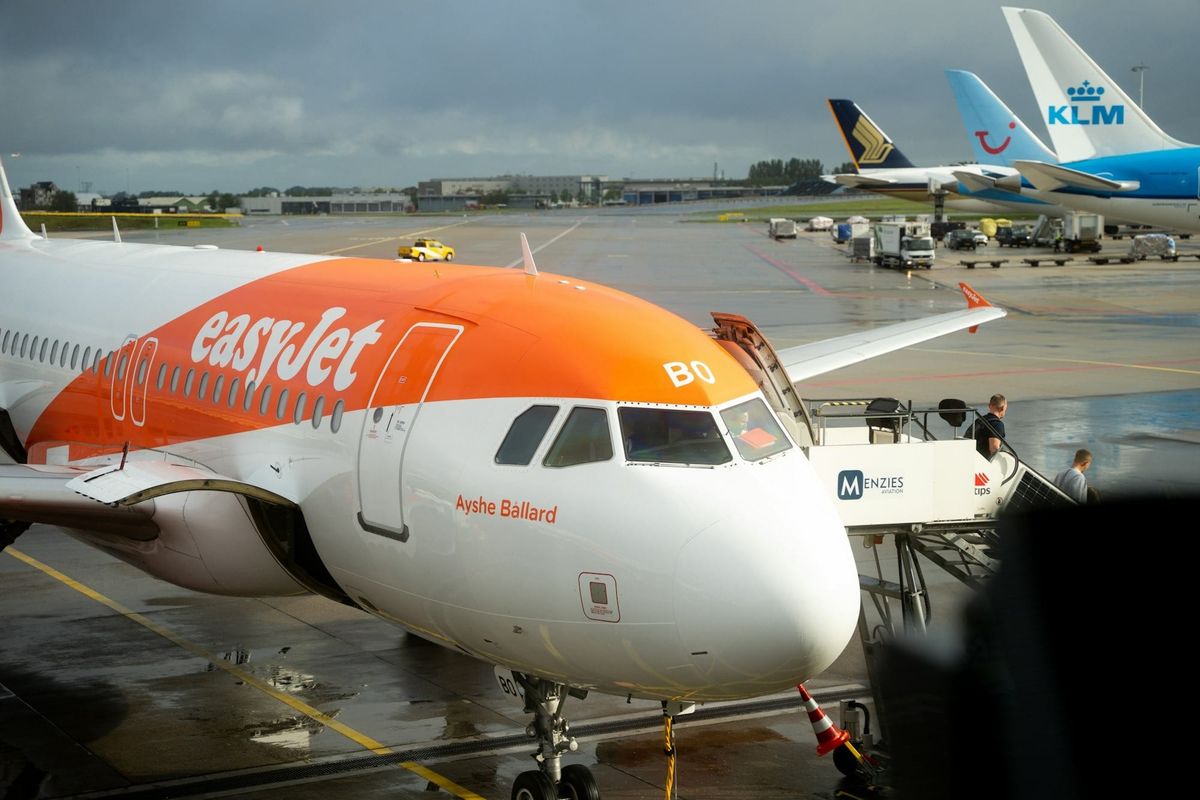
easyJet anticipates a headline pre-tax loss of between £540 million and £560 million for the first half of 2026, representing a deeper deficit than the £394 million loss recorded in the prior year. While load factors reached 90%—a two-percentage-point increase year-on-year—operational improvements were largely offset by heightened fuel costs and geopolitical risk. The Luton-based carrier attributed the widening loss to approximately £25 million in additional fuel expenses during March, triggered by the escalation of conflict in the Middle East. Financial performance was further strained by a £30 million net increase in legal provisions and continued capacity investments in the Milan and Rome markets. Revenue per available seat kilometre (RASK) grew by 3% in the second quarter, supported by record demand over the Easter period.
Hedging and market sentiment
Management has withdrawn full-year guidance as the booking curve shortens and fuel price volatility persists. The airline is 70% hedged for summer fuel at $706 per metric tonne, offering a buffer against spot prices that reached $1,500 this week. Despite maintaining £4.7 billion in liquidity and £434 million in net cash, market sentiment remains defensive; shares fell more than 6% in morning trading as the stock remains one of the most shorted in Europe with a 6.4% position.
What to watch
Half-year results will be confirmed on Thursday, 21 May 2026. Analysts will focus on the unhedged 30% of summer fuel exposure and the degree to which fare increases can compensate for the higher headline CASK, which rose by approximately 5% in the first half.