British Airways extended status to members, and reversed it 50 hours later
British Airways told thousands of frequent flyers their elite status had been extended for another year. Some held 128 tier points against a Silver threshold of 7,500. Fifty hours later, the airline reversed the decision and cited a technical error.

British Airways spent 50 hours telling thousands of frequent flyers their elite status had been extended for another year before reversing on Thursday and confirming that a technical error was responsible. The airline issued a statement acknowledging that due to a technical issue, some members had received status extensions they had not earned, and said those members would be downgraded as originally scheduled on 1 May.
The sequence of events that preceded the reversal deserves examination. Emails began landing in members' inboxes earlier this week confirming that cards due to expire on 30 April 2026 had been extended to 30 April 2027. Silver members had been extended on as few as 128 tier points, a figure that represents under 2 per cent of the 7,500 tier points ordinarily required to retain the status. At the Gold tier, extensions were confirmed for members holding just 2,509 tier points, roughly 12 per cent of the published 20,000-point target.
The extensions were not applied uniformly, which is what transformed a loyalty programme error into a public relations problem of considerably greater magnitude. The airline appeared to be targeting status holders who had shifted their flying to other airlines and acquired only a few tier points; meanwhile, loyal flyers who were within reach of unlocking a status upgrade or retaining their current status received no extension at all. One member who had spent £10,000 to £16,000 annually on British Airways for years and flown 64 flights in the collection year received nothing. A member who had credited a single Finnair economy booking received a free year of Gold.
The statement that raised more questions than it answered
British Airways' statement read: "Earlier this week we renewed the status of a very small number of BA Club members according to our normal guidelines and criteria. This raised concerns with some of BA's members, who believed we'd made a mistake. Our initial investigation didn't identify any obvious issues, however, over the last 24 hours we've conducted some more detailed forensic work, and have discovered that due to a technical issue, some members received status extensions they were not eligible for."
The statement is notable for what it does not say. It describes the affected group as "a very small number" while community forums have documented extensions across a wide population of members, including some with zero tier points. It states that the initial investigation found no obvious issues; the implication is that whatever the technical error was, it was not apparent for approximately 48 hours. It does not describe what the technical issue was, how many members were affected, or what mechanism allowed extensions to reach members holding 128 tier points against a published threshold of 7,500.
The characterisation of "a very small number" sits uneasily alongside the scale of documentation that emerged across frequent flyer communities in the 24 hours before the reversal. Customer service agents gave inconsistent explanations throughout the episode; some told members the extension was a glitch that would be reversed, while others described it as a strategic tier extension on a case-by-case basis. Both accounts were circulating simultaneously before the official statement resolved the question in favour of the former.
The context
The extensions arrived at a moment of considerable sensitivity in British Airways' relationship with its frequent flyers. The Club, the airline's relaunched loyalty programme introduced in April 2025, shifted tier qualification from a flights-based system to a revenue-based one; members now earn tier points at the rate of £1 spent per tier point rather than on the basis of sectors flown. The collection year running from 1 April 2025 to 31 March 2026 represented the first full cycle under the new rules, and frequent flyer communities had anticipated that 1 May 2026 would produce a significant reduction in the elite population as members who had qualified under the old system fell short of the new revenue-based thresholds.
That anticipated reckoning made the extensions, when they arrived, feel like a deliberate decision rather than a mistake; hence the 50 hours it took for the airline's initial investigation to identify any problem. The pattern across the previous year suggested a programme uncertain of its own rules: thresholds had been softened, a flights-based route to Bronze and Silver had been reintroduced, and the bonus tier point offer had been enhanced twice. Each individual adjustment was defensible; the cumulative effect was of an airline that had introduced a new loyalty framework and then successively retreated from its implications.
The extension, had it stood, would have represented another retreat. The reversal reinstates the published terms. It does so, however, at the cost of telling thousands of members that their status had been secured, allowing some of them to book flights and select seats on the basis of that status, and then withdrawing the benefit within days of its announcement. The legal question of whether benefits accessed on the basis of the erroneous extension can be reclaimed is one British Airways has not addressed publicly. The reputational question of whether the episode reflects a loyalty programme administration that is operating reliably is harder to answer.
What the reversal means
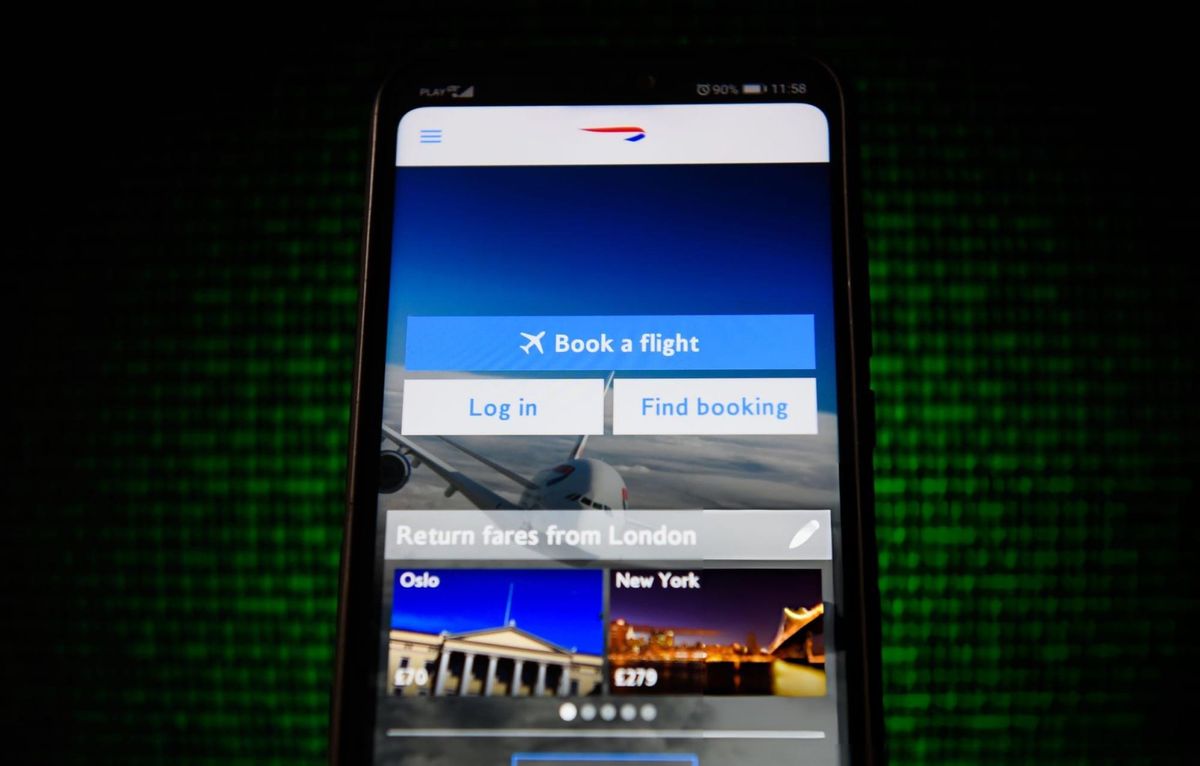
Members who received the extension email and saw their app update to show a card expiry of 30 April 2027 will revert to their original status from 1 May. British Airways said it would be contacting affected members directly. Those who made bookings, seat selections or lounge access decisions on the basis of the extended status are in an uncertain position that the airline's statement did not address.
For the members who requalified through their own flying and spending, the outcome is straightforwardly correct; they earned their status under the published rules and will retain it. For the members who received and then lost the extension, the outcome is a lesson in the limits of relying on an emailed confirmation from an airline's loyalty system. For British Airways, the episode is a reminder that loyalty programmes operate on the basis of member trust; and that trust is considerably harder to rebuild than it is to damage.