Boeing wins LOT fraud trial; $49.5mn to Stumo family
A Seattle jury cleared Boeing of MAX fraud on 22 May, rejecting LOT's $153mn damages claim. Ten days earlier, a Chicago jury awarded $49.5mn to the Stumo family. Two verdicts, opposite outcomes, same week.

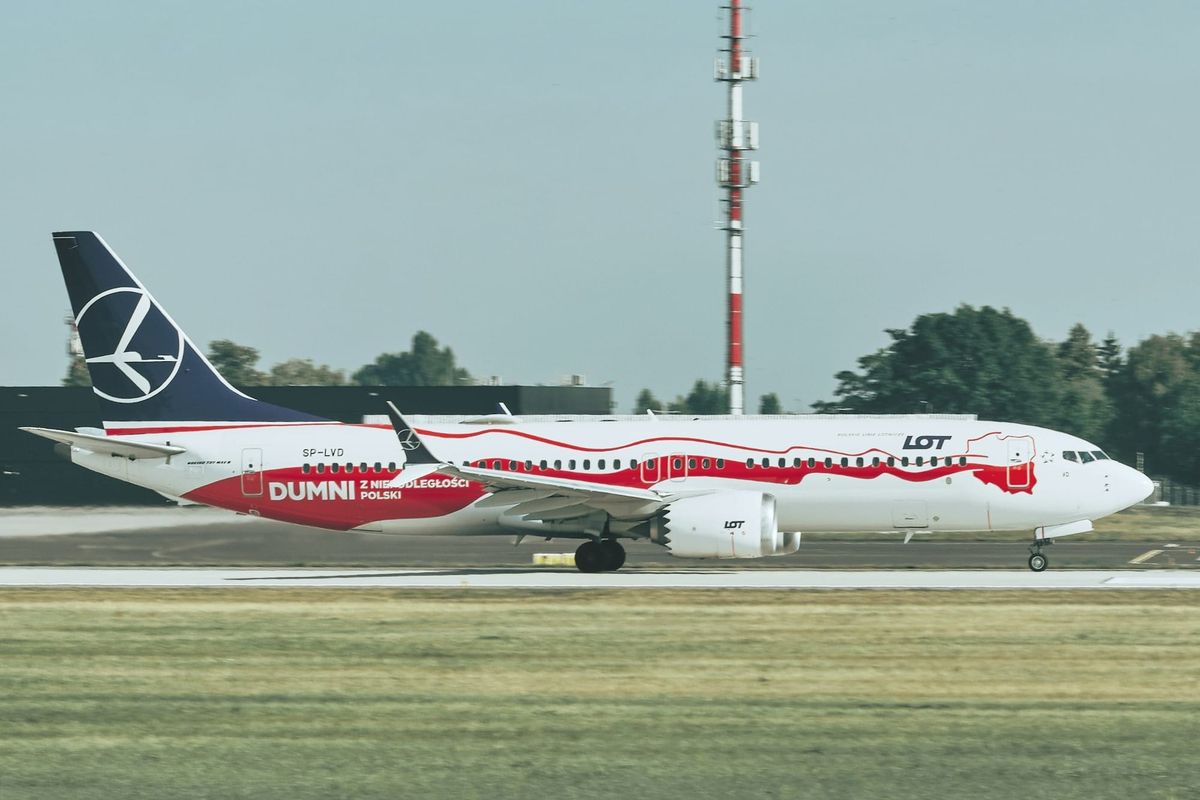
Two juries reached opposite verdicts on Boeing's 737 MAX conduct within ten days of each other, producing a split legal picture that simultaneously vindicates the manufacturer on its most commercially significant claim and deepens its financial exposure on the human cost of the two crashes that killed 346 people.
A Seattle federal jury found Boeing not guilty of fraud on 22 May, rejecting LOT Polish Airlines' claim that Boeing deliberately concealed safety problems with the MAX's flight-control system to secure a 2016 lease commitment; LOT had sought $153mn in damages for losses it said resulted from the grounding. The trial lasted two weeks before Judge Ricardo Martinez, with the jury deliberating approximately three hours; Boeing said it was "gratified by the jury's verdict," while LOT left open the possibility of an appeal, stating the process "may not yet be concluded."
The LOT verdict is the first time any airline has taken Boeing to trial over the MAX crisis, with all previous carrier disputes resolved through private settlements. The acquittal removes what would have been a significant precedent: a fraud finding would have opened the door to similar claims from other airlines that held MAX aircraft during the grounding.
On 13 May, a Chicago federal jury awarded $49.5mn in compensatory damages to the family of Samya Rose Stumo, a 24-year-old American who died aboard Ethiopian Airlines Flight 302, with Judge Jorge Alonso presiding over the case in the Northern District of Illinois. Boeing had accepted liability; jurors were tasked only with calculating damages, awarding approximately $21mn for pain and suffering with the balance covering economic and related losses.
The Stumo verdict follows a November 2025 award of $28.45mn to the family of Shikha Garg, a United Nations consultant who also died in the Ethiopian crash, marking the first civil jury trial from the disaster. Stumo's legal team has signalled it will seek punitive damages and explore appellate options, meaning the financial exposure from this case is not yet final.
The criminal track is now effectively closed, with prosecutors resolving the case through a non-prosecution agreement requiring Boeing to invest an additional $1bn in fines, family compensation and safety improvements. The Fifth Circuit Court of Appeals declined in March 2026 to revive the criminal prosecution after victims' families challenged the agreement under the Crime Victims' Rights Act.
The two verdicts represent the clearest legal articulation yet of what Boeing is and is not liable for. On the commercial fraud claim, airlines that suffered grounding losses cannot recover on a deception theory; on the human cost, Boeing remains exposed to compensatory and potentially punitive damages wherever it has accepted liability but not yet settled.
Boeing has paid billions to crash victims through settlements and jury awards and absorbed a $1bn criminal resolution. The LOT acquittal limits the commercial liability tail, but the Stumo punitive damages claim, if successful, would add further to the human cost total.