Boeing misled us to sell the MAX, LOT tells Seattle jury
LOT Polish Airlines opened the first airline trial over the 737 MAX crisis in Seattle on Monday, arguing Boeing hid MCAS safety concerns to avoid costly pilot retraining requirements that would have weakened its pitch against Airbus.

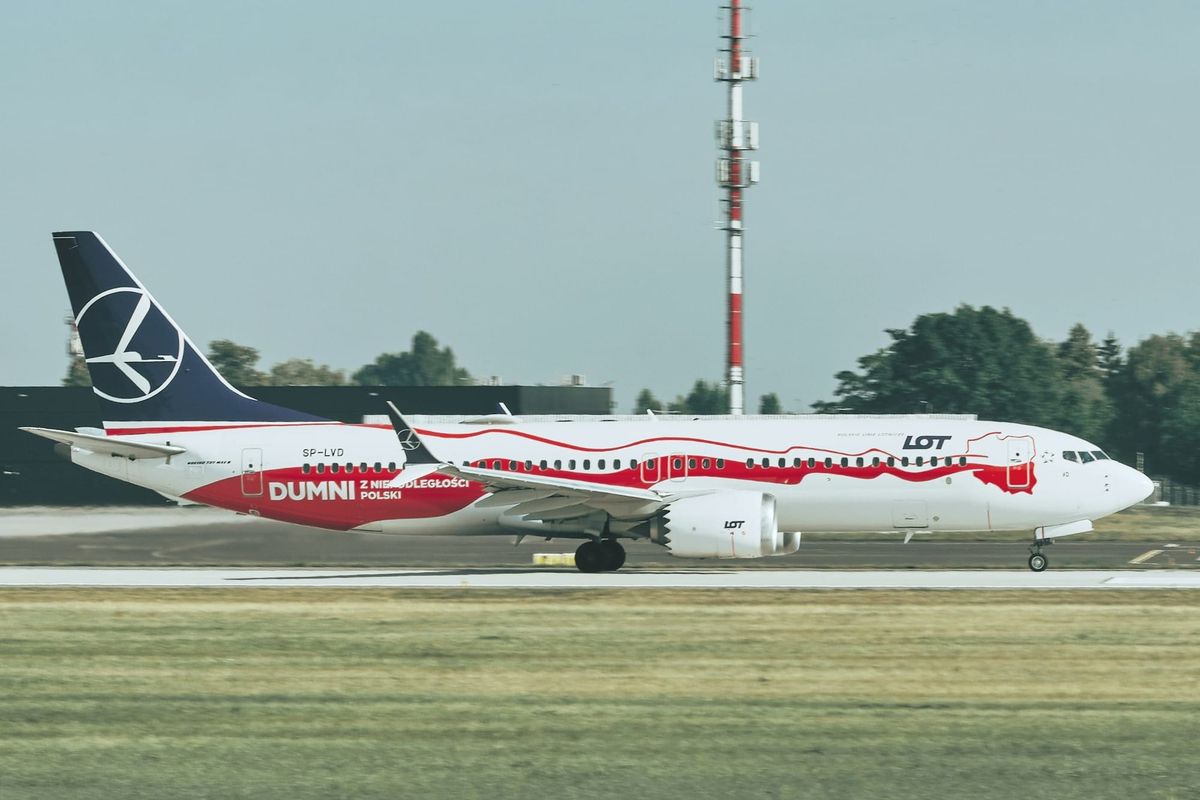
The first airline trial over the Boeing 737 MAX crisis opened in Seattle on Monday, with LOT Polish Airlines telling a US District Court jury that Boeing deliberately concealed safety problems with the aircraft to secure a 2016 lease commitment, with the concealment costing the Polish flag carrier millions in revenue when regulators grounded the jet three years later.
LOT's attorney Anthony Battista delivered the opening statement, telling jurors the case was about Boeing's "lies and deception and the devastating financial harm" caused to the airline. At the centre of the dispute is MCAS (Maneuvering Characteristics Augmentation System), a flight-control feature Boeing developed to counteract a nose-up pitch tendency in the MAX, then downplayed to the Federal Aviation Administration so that pilots already certified on older 737 variants could avoid costly simulator retraining.
The commercial motivation, LOT argues, was explicit: requiring full simulator training for MAX pilots would have inflated the aircraft's total cost of ownership, undermining Boeing's competitive pitch against the Airbus A320 family at a moment when thousands of narrowbody orders were at stake globally. Switching to the A320 would itself have required extensive simulator hours, former LOT executive Maciej Wilk told jurors, and the key selling point Boeing placed before the airline was the promise of minimal pilot retraining on the MAX.
LOT committed to leasing 15 jets in 2016, unaware of MCAS or the difficulties Boeing engineers were simultaneously encountering during flight testing. MCAS subsequently played a decisive role in two fatal crashes, Lion Air Flight 610 in October 2018 and Ethiopian Airlines Flight 302 in March 2019, which together killed 346 people and led to a worldwide grounding of the MAX in March 2019 for approximately 20 months.
Regulators required a full redesign of MCAS and expanded pilot training before the aircraft was permitted to return to service.
Boeing's defence attorney pushed back hard in opening statements, pointing to an apparent inconsistency at the heart of LOT's case. LOT currently operates 26 Boeing 737 MAX aircraft and flies them daily, a fact Boeing's legal team cited directly, asking jurors whether that was how the victim of a multimillion-dollar fraud scheme would behave.
LOT sued Boeing in 2021 over revenue losses sustained during the grounding period, making it the first airline to take Boeing to trial over the MAX crisis. All previous disputes between carriers and Boeing were resolved through private out-of-court settlements of undisclosed value; Boeing has separately paid out billions to the families of crash victims.
The significance of this trial extends well beyond LOT's individual damages claim. A jury verdict, whichever way it falls, will establish the first public benchmark for what Boeing's conduct during the MAX certification period is worth in dollars to the airlines that committed to the aircraft on the basis of information that was, according to LOT's legal team, materially incomplete.