Air Astana's new CEO eyes China pivot as fuel advantage holds
Ibrahim Canliel became Air Astana CEO on 1 April, succeeding 20-year incumbent Peter Foster. His first earnings call signalled a China pivot, a domestic fuel advantage and a first 787-9 delivery in the second half of 2026.

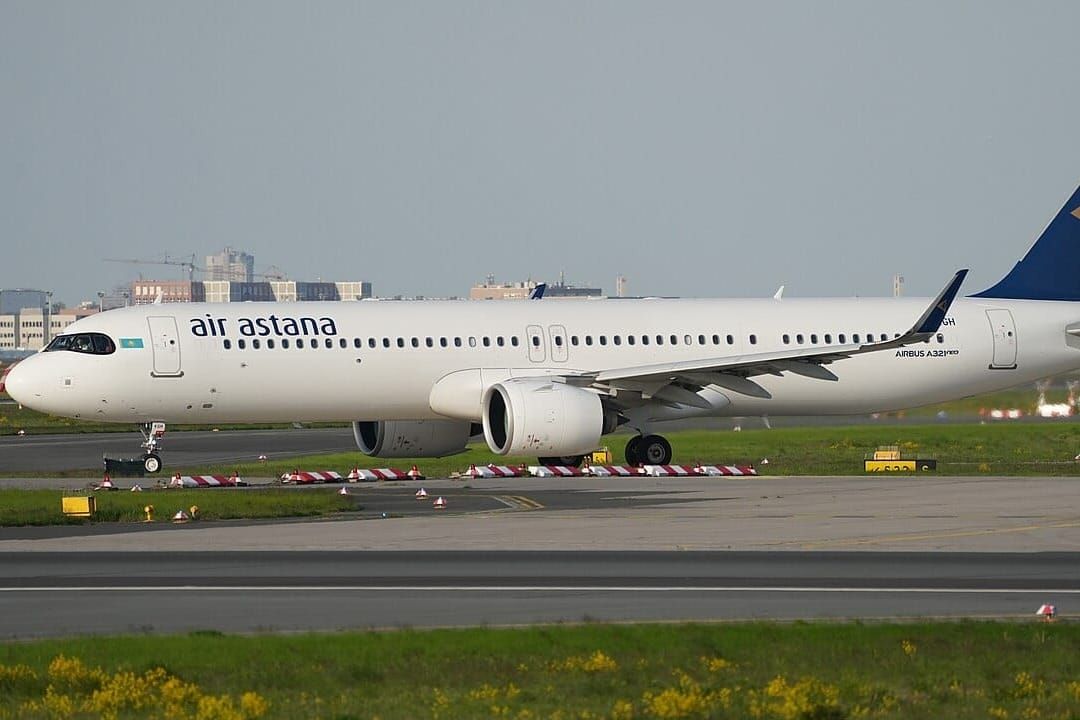
Ibrahim Canliel became chief executive of Air Astana Group on 1 April 2026, succeeding Peter Foster, who led the Kazakh carrier for 20 years and stepped down at the end of March. Canliel, who joined Air Astana in 2003 and has served as chief financial officer since 2017, takes the helm at a carrier that posted 11.4 per cent revenue growth to $1.45bn in 2025 despite a year dominated by engine groundings and supply chain pressure.
The transition is the most significant leadership change in the airline's history. Foster built Air Astana from a post-startup regional carrier into Central Asia's largest airline group by revenue and fleet, launched low-cost subsidiary FlyArystan in 2019, and completed a dual listing on the London Stock Exchange and Kazakhstan's AIX exchange in 2024, the first Kazakh airline to achieve a UK public listing.
Canliel's first earnings call as CEO, on 5 May, set the strategic tone clearly: Air Astana suspended flights into Doha, Dubai, Jeddah and Madinah following the Iran conflict and redeployed much of that capacity toward Southeast Asia, with China as the primary beneficiary. The group launched Almaty-Shanghai service in March 2026 and will more than double its China flying this summer, including new FlyArystan services to three additional Chinese destinations expected to be announced this quarter.
The China pivot is structural as well as opportunistic, with Canliel describing China as "now becoming an increasingly significant" destination given the rerouting of demand away from Middle East hub connections. Air Astana recently signed codeshare agreements with China Southern Airlines and Air India, giving the group access to feed from two of Asia's largest networks.
The group's fuel position is a material competitive advantage: Kazakhstan is an oil-producing country and Air Astana sources approximately 70 per cent of its fuel requirements domestically, insulating it from a significant portion of the global price spike that has pushed competitors into guidance withdrawals and debt raises. Canliel was careful to note the airline is not immune, flagging that fuel shortage disruptions in Asia and Europe would still affect operations on those routes.
Engine constraints remain the primary operational headwind, with unit costs rising 17.3 per cent in the fourth quarter of 2025 as GTF engine groundings limited capacity and drove up maintenance costs. The first Boeing 787-9 delivery is planned for the second half of 2026, which will open new long-haul capabilities and begin to shift the fleet mix away from GTF-dependent narrowbodies.
Canliel inherits a management team that has also been refreshed around him, with Goncalo Pires joining as chief financial officer in March 2026 as a signal to investors following the 2024 IPO. Johan Eidhagen, previously managing director of Wizz Air Abu Dhabi, joined as president of FlyArystan in March, adding low-cost sector expertise to the group's dual-brand operation.
The group carried 9.7 million passengers in 2025 across a fleet of 62 aircraft and added 25 new routes during the year. With the 787-9 delivery approaching, the China network expanding and the GTF crisis expected to gradually ease, Canliel's first full year as CEO sets up as the period in which Air Astana either confirms or tests the growth trajectory Foster established.