Alaska Air cuts 200 jobs as it warns of a $700mn loss
Alaska Air Group will cut about 200 non-contract jobs in Washington and Hawaii as fuel costs threaten a loss of up to $700mn this year, which would be its first adjusted pre-tax loss outside the pandemic since 2003.

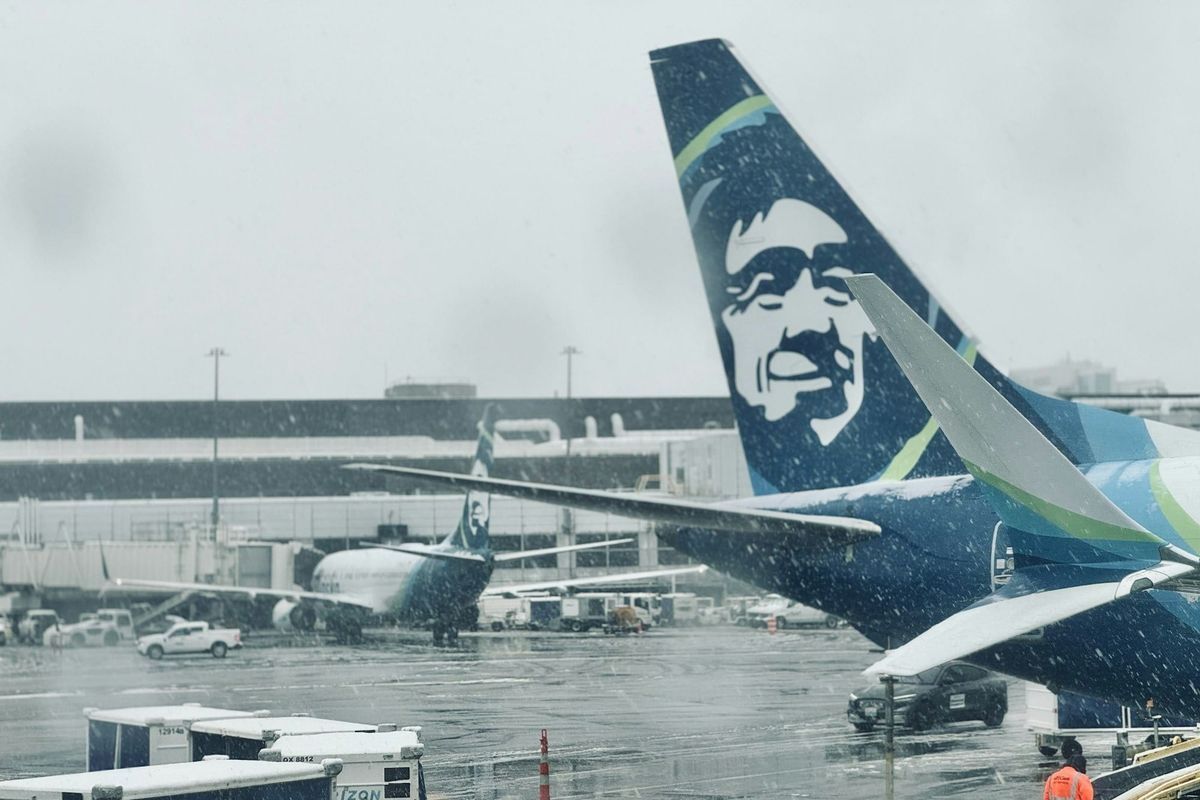
Alaska Air Group will cut about 200 non-contract jobs, chief executive Ben Minicucci told staff in a memo reported by Reuters on October 30, as fuel costs push the airline towards a loss of as much as $700mn this year if current conditions persist. Minicucci wrote that overhead had "grown at a disproportionate rate to revenue" in recent years, adding: "We must return to the financial discipline that has long been a key competitive advantage."
The cuts fall on management and other non-contract roles, including 125 positions in Washington and 48 in Hawaii, and amount to less than 1 per cent of Alaska's workforce of about 32,500, according to a company spokesperson. No frontline, non-management jobs are affected, and those leaving will work until November 13 and be paid until December 31 with severance.
In Hawaii, chief executive of Hawaiian Airlines Diana Birkett Rakow said 40 jobs would be eliminated and eight employees offered other roles, while Jim Landers, head of Hawaii operations, and Shelly Parker, head of Hawaii guest operations, will retire at the end of the year without being replaced. The Hawaii Tribune-Herald described it as the sixth round of management cuts since Alaska bought Hawaiian in 2024.
Executives said the cuts were not tied to the acquisition, although they acknowledged that Hawaii had been among the weakest parts of the network this year because of storms, integration problems and excess capacity. Honolulu is Alaska's second-largest hub after Seattle, which makes the performance of the Hawaiian business central to the group's results.
A loss of $700mn would be Alaska's first adjusted pre-tax loss outside the pandemic since 2003, according to Reuters. On October 20 the airline forecast an adjusted loss of $5.00–$5.50 a share for 2026, including $1.8bn more fuel cost than it had planned, and it expects to pay $4.65–$4.85 a gallon in the fourth quarter against the $2.50 assumed in its original plan for the year.
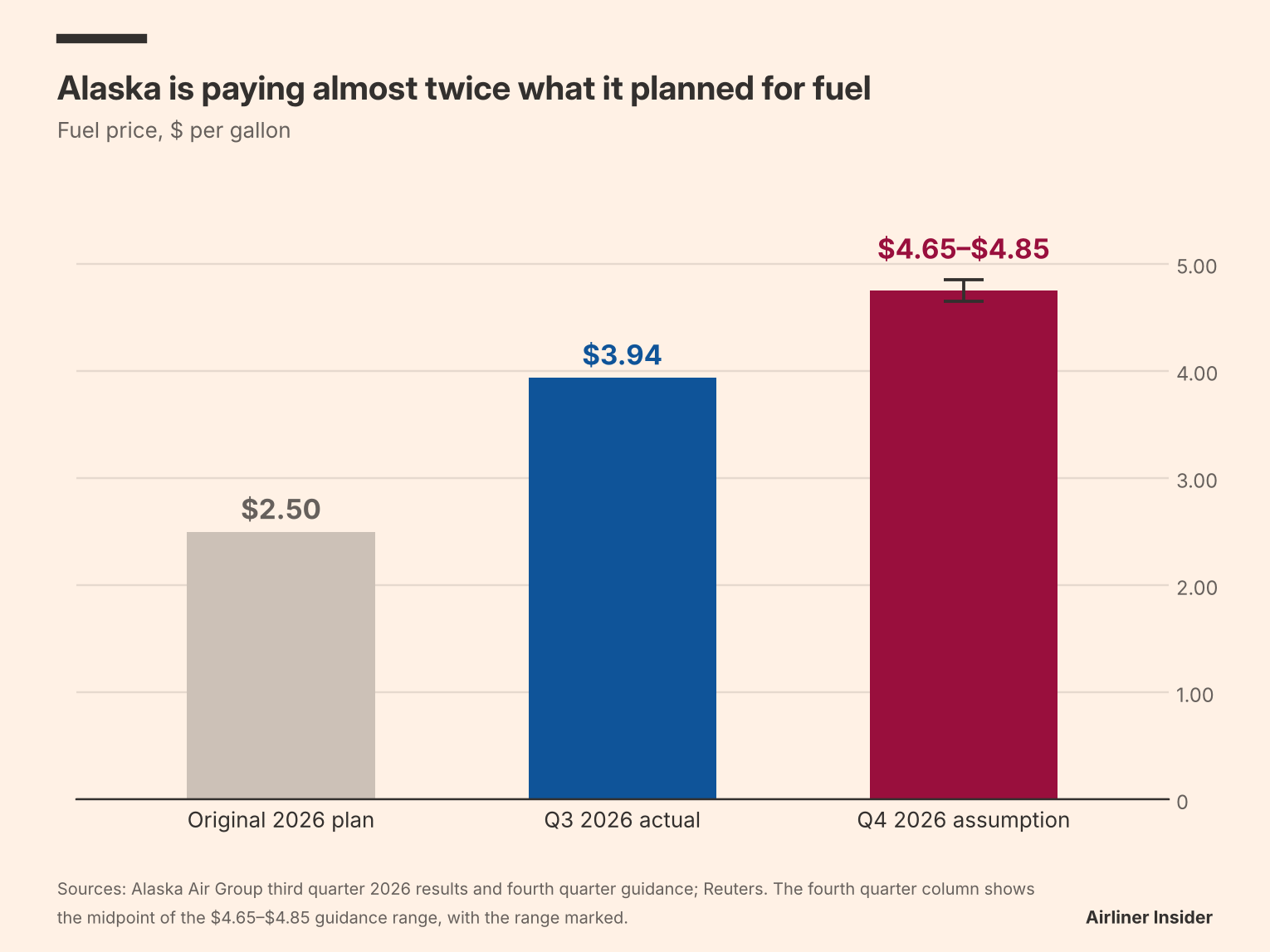
The job cuts are small beside that fuel bill, since removing 200 overhead roles cannot close a gap of $1.8bn, and their purpose is as much a signal of cost discipline as a source of savings. Alaska's adjusted pre-tax margin fell to 1.1 per cent in the third quarter from 4.6 per cent a year earlier, even as revenue rose 14 per cent and premium revenue about 25 per cent.
The airline is cutting costs while continuing to expand, with new routes from Seattle to Paris, Athens, Osaka and Papeete and plans to join oneworld's transatlantic and transpacific joint ventures. That growth comes as its ratio of adjusted net debt to earnings before interest, tax, depreciation, amortisation and rent has risen to 5.5 times from 2.9 times, leaving less room for error if fuel stays high.
Alaska's position contrasts with that of rivals such as Delta Air Lines and United Airlines, which remain profitable despite similar fuel costs, and places it alongside American Airlines and JetBlue Airways among the US carriers expecting losses this year. US airfares rose nearly 23 per cent year on year in the seven months to September, according to Labor Department data cited by Reuters, yet that has not been enough to offset fuel for airlines carrying heavy debt or integration costs.
What to watch: whether Alaska slows its international growth when it sets out 2027 plans with fourth quarter results in January, how the Hawaiian business performs over the winter, and whether further cost cuts follow if fuel remains near $4.75 a gallon.