Jet fuel has doubled. The reckoning is just beginning.
Jet fuel has more than doubled since February. European carriers entered the crisis better hedged than most. But a structural flaw in how airlines hedge is leaving many more exposed than they realise — and Delta's earnings on April 9 will be the first real test of who is protected and who is not.
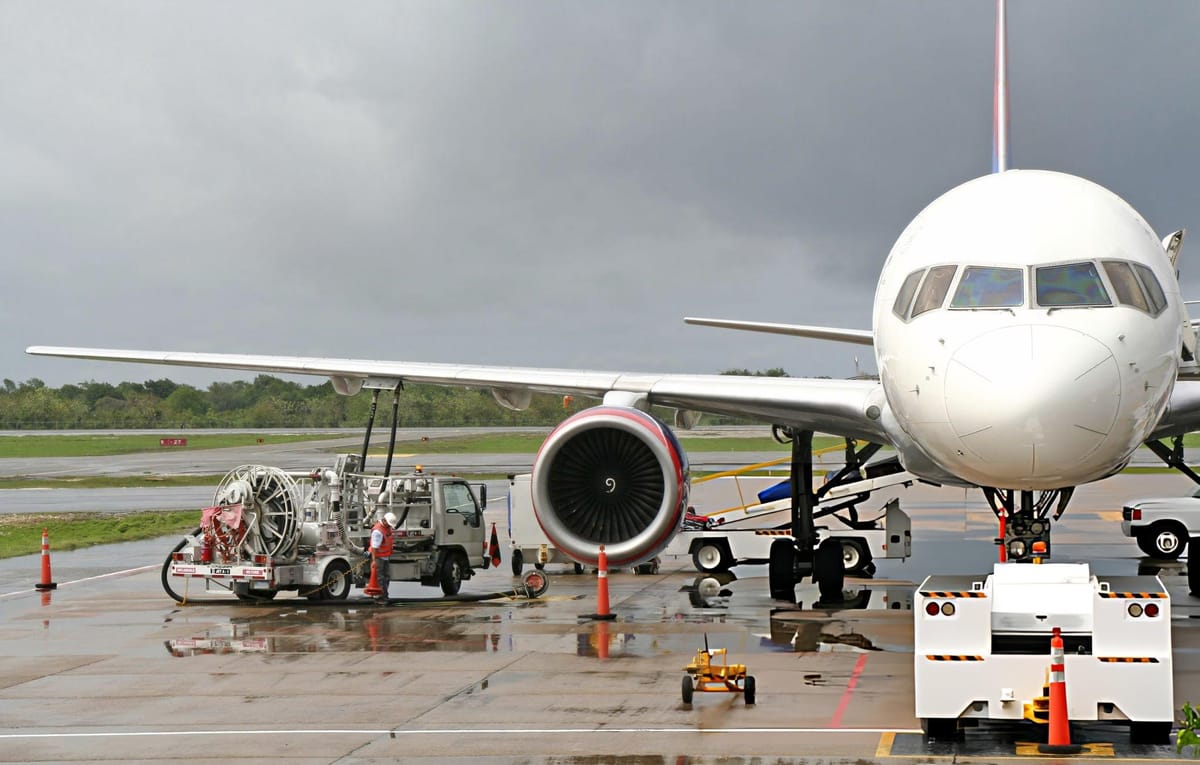
When United Airlines chief executive Scott Kirby wrote to his staff last week, he did not reach for euphemism. Jet fuel prices, he said, had more than doubled in three weeks. At current levels, that translates to an additional $11 billion in annual costs for United alone — a figure that exceeds the carrier's best ever full-year profit.
The message landed at the same time that northwest European jet fuel hit $1,840 per metric ton, a record. Before US and Israeli forces struck Iran on February 28, the same fuel was changing hands at roughly $850. The Strait of Hormuz, through which a fifth of global oil supply normally passes, has been effectively closed for five weeks. The aviation industry is now contending with something it has not faced since the 1973 oil embargo: a simultaneous price shock and supply threat.
The hedge that isn't
On paper, Europe's carriers entered this crisis well protected. Continental airlines had hedged, on average, around 80% of their 2026 fuel requirements — a level of coverage that, in a normal supply disruption, would provide meaningful insulation. Ryanair sits at the stronger end of that range. But the crisis has exposed a structural flaw in how airline hedging actually works.
Most programmes are written against crude oil benchmarks. Jet fuel is refined from crude, and the two prices have historically moved in lockstep. They no longer do. Crude has risen by roughly a third since late February. Jet fuel has more than doubled. In Asian spot markets, the refining margin — the premium of jet fuel over crude — surged from around $21 per barrel before the conflict to as high as $144. A carrier that believes it is 80% hedged may find, when it calculates actual exposure, that the protection covers considerably less than it assumed.
Cutting, surcharging, hoping
The industry response has followed a predictable sequence. First came the capacity cuts. United will drop approximately 5% of planned flights through the third quarter. SAS has cancelled at least 1,000 April departures. Korean Air has moved what it describes as an emergency management system, signalling that cost containment has become the primary operational priority.
Then came the surcharges. Air France-KLM has announced increases on long-haul fares. Cathay Pacific, AirAsia and Thai Airways have added fuel levies. Taiwanese carriers lifted international surcharges by 157% from April 7, with the long-haul fee rising from $45.50 to $117. United raised its checked bag fee to $45 on Friday — the first increase in two years — a move that tells you more about margin pressure than any earnings call.
The bet across the industry is that demand holds. So far it has. United's CEO noted that the ten biggest booked revenue weeks in the carrier's history were the ten weeks since the war began. Travellers, it seems, are still flying. The question is how long that remains true if fares continue to rise.
The supply problem
Price is one thing. Supply is another. The International Air Transport Association has warned that European jet fuel security is resting on a thin margin of commercial inventory. Several major European hub airports have quietly begun telling airlines to plan for potential fuel exhaustion within days rather than weeks. It is not a warning that has attracted much attention. It should.
For Asian carriers the situation is more acute. Australia imports roughly 90% of its refined fuel. Sydney Airport has warned there are no assurances it will receive scheduled jet fuel shipments. Qantas has hedged 81% of its fuel requirements through to June, but even CEO Vanessa Hudson acknowledged the airline is monitoring the situation closely — language that tends to precede harder disclosures.
Delta goes first
The first real accounting of the damage arrives this week. Delta reports quarterly earnings on April 9, opening what will be the most closely watched airline earnings cycle since the pandemic. Investors are not looking at revenue. They are looking at two numbers: the percentage of Q2 and Q3 fuel needs that are hedged, and the strike price at which those contracts were written. Those two figures will determine which carriers have room to navigate the coming months and which are simply exposed.
The NYSE Arca Airlines Index fell 12% in a single week in late March as the scale of the refinery shortage became clear. The differentiation between carriers with genuine protection and those without has already begun in equity markets. Earnings season will sharpen it considerably.
One further deadline is worth watching. Trump's pause on striking Iranian energy infrastructure expires on April 6 at 8pm Eastern time. What follows — whether renewed strikes, a negotiated opening of Hormuz, or continued stalemate — will move fuel prices, airline stocks and passenger fares simultaneously. The industry has learned, over five weeks, that the situation can deteriorate faster than any model anticipated. It has not yet learned whether it can recover just as quickly.
Comments ()